Most winery wastewater isn’t from the wine itself it’s from cleaning tanks, barrels, hoses, floors, and bottling lines all need regular sanitizing, and that takes a lot of water.
The main sources include:
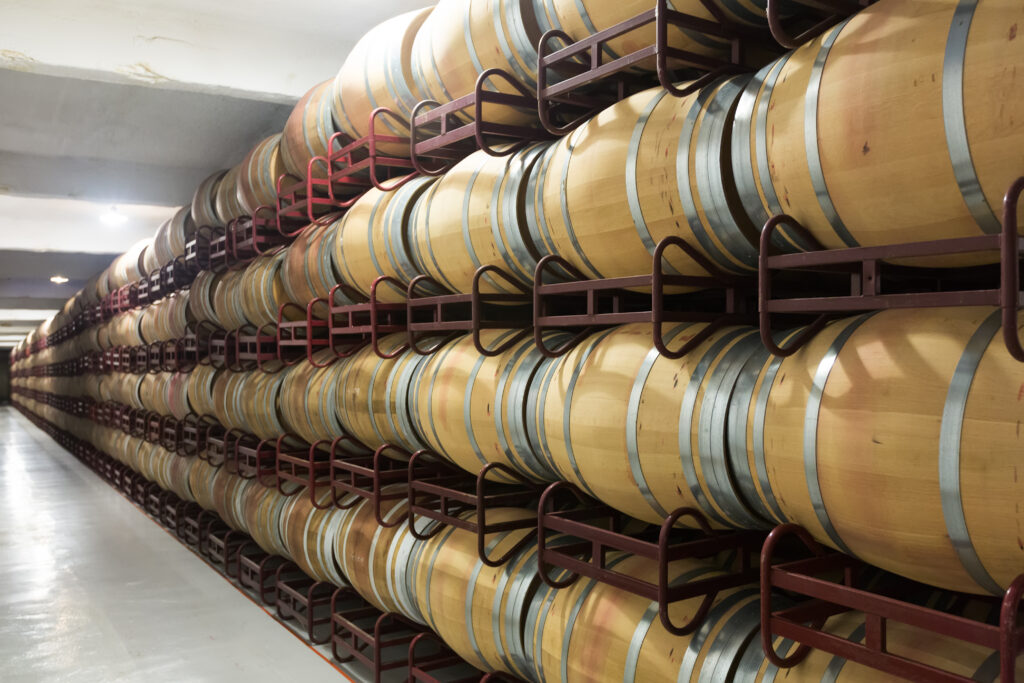
- Cleaning and sanitation: Washing equipment, tanks, and barrels accounts for the bulk of water use.
- Crushing and pressing: Grape solids, juice, and pulp wash into the water stream during harvest.
- Filtration and bottling: Rinsing filters and bottling lines adds to the volume.
- Stormwater runoff: Rain that mixes with grape residue or cleaning agents on winery floors.
The result is wastewater loaded with sugars, alcohol, organic acids, and cleaning chemicals. According to research published by the Water Research Foundation, wineries typically produce between 1 and 3 Liters of wastewater for every Liter of wine made-though some estimates run higher during peak harvest.
The sugars, alcohol, and grape solids in winery wastewater create a very high chemical oxygen demand (COD) and biochemical oxygen demand (BOD). In plain terms, there’s a lot of organic material that microbes need to break down. If this water reaches a river or lake untreated, those microbes consume oxygen as they feast-starving fish and other aquatic life.
Our Water Solutions at MEB for the Wine Industry
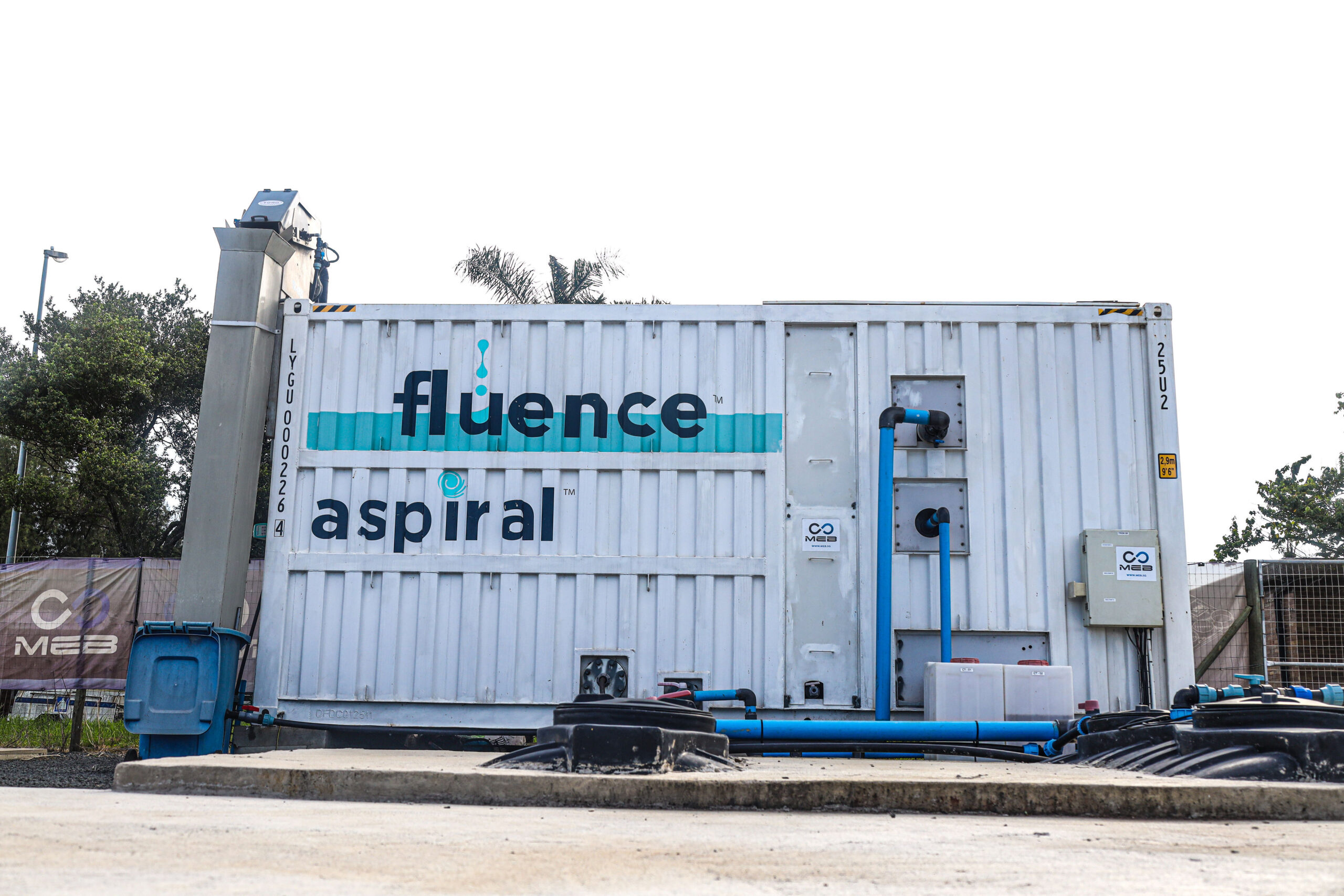
At MEB, we understand the unique challenges wineries face regarding wastewater management. Our tailored water solutions are designed to help wineries reduce their environmental impact while maintaining operational efficiency. We offer advanced wastewater treatment systems that can handle high organic loads effectively, ensuring compliance with environmental regulations. From modular wastewater treatment units to customized desalination plants, our innovations enable wineries to recover and reuse water during production. By partnering with MEB, wineries can optimize their water use, minimize waste, and support sustainable winemaking practices.