Sugar mill wastewater isn’t going away. Every crushing season brings more effluent, more regulatory scrutiny, and more pressure to manage it responsibly.
The challenge is not simply disposal, but turning a high-strength waste stream into something that can be treated, reused, or safely returned to the environment. With the right combination of anaerobic digestion, polishing treatment, and monitoring, mills can reduce pollution loads while recovering energy and water.
That approach begins with a clear understanding of the wastewater itself. Flow and strength can change sharply during washing, crushing, evaporation, and cleaning operations, so equalization is often essential before biological treatment. By smoothing these peaks, mills can protect downstream reactors, improve treatment consistency, and avoid the operational upsets that lead to non-compliance.
Anaerobic digestion: best when biogas recovery is a priority
Anaerobic digestion uses microorganisms to break down organic matter without oxygen, producing biogas as a byproduct. This approach suits sugar mills particularly well because of the high organic concentration in their wastewater more organic load means more biogas potential.
Aerobic treatment: best for polishing effluent to discharge standards
Aerobic treatment introduces oxygen so bacteria can break down the remaining organic matter after anaerobic treatment has reduced the heavier load. Mills typically use this stage to polish effluent before releasing or reusing it, bringing BOD and COD down to levels that meet regulatory discharge limits.
Our solutions at MEB for sugar mills
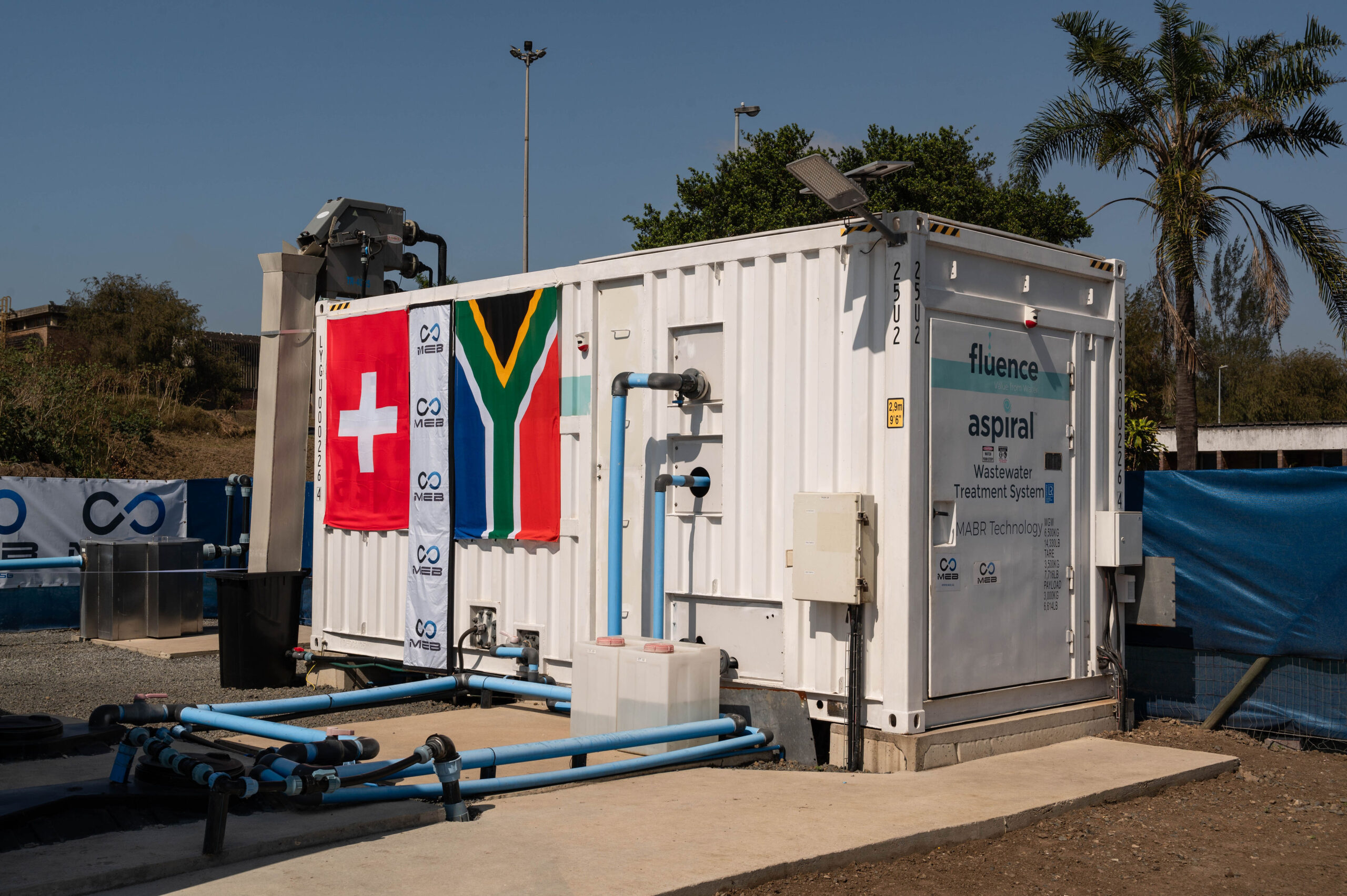
At MEB, we work with sugar mills to design and implement wastewater treatment systems tailored to each mill’s effluent profile and operational goals. Instead of applying a generic treatment template, we evaluate the specific characteristics of a mill’s wastewater organic load, volume, seasonal patterns, and build a system suited to those conditions.
A central part of our approach is helping mills recover value from wastewater instead of treating it purely as waste to dispose of. Our anaerobic digestion systems convert organic wastewater into biogas, which mills can use to generate heat or electricity on-site. This turns a compliance obligation into a source of operational savings, helping offset energy costs that would otherwise come from the grid or fossil fuels.
We also work alongside mill operators throughout the design and implementation process, helping ensure that treatment systems integrate smoothly with existing operations rather than disrupting them. For sugar mills navigating tightening environmental regulations and rising energy costs, this combination of compliance and energy recovery makes wastewater treatment a strategic investment.
Reach out to our team of engineers at MEB to discuss a system designed around your mill’s specific needs.