
Wastewater In Confectionary Production
Confectionery production is a sugary business, behind every chocolate bar, gummy candy, and caramel chew lies a wastewater stream that’s anything but sweet to manage.


Confectionery production is a sugary business, behind every chocolate bar, gummy candy, and caramel chew lies a wastewater stream that’s anything but sweet to manage.

When people picture industrial pollution, toy factories rarely come to mind. Cars, textiles, and electronics tend to dominate that conversation. But the toy industry produces

Rice milling ranks among the most water-intensive processes in agricultural production. The soaking, parboiling, and washing stages each generate wastewater loaded with starch, suspended solids,
Sugar mill wastewater isn’t going away. Every crushing season brings more effluent, more regulatory scrutiny, and more pressure to manage it responsibly. The challenge is
Tyre production demands significant resources, and it generates wastewater just as heavily loaded with contaminants. The rubber compounding, curing, and cleaning stages all produce water
Brewery wastewater is significantly more polluted than typical municipal wastewater, containing high levels of organic matter, solids, and fluctuating pH. Effective treatment typically combines screening,

Fishing is one of the world’s oldest industries. It feeds billions of people, employs millions of workers, and generates over $400 billion in global revenue
Fruit juice factory wastewater isn’t like general industrial effluent. Its composition is largely organic dominated by sugars, fruit pulp, pectin, acids, and cleaning chemicals from

Where Does Wastewater Come From in Householding Cleaning Manufacturing? Household cleaning production generates wastewater at multiple points along the production line. Understanding these sources is
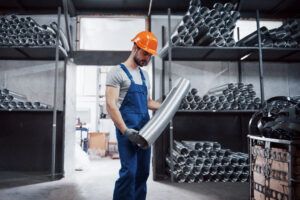
Steel production ranks among the most water-intensive industrial processes in the world. Water touches nearly every stage of steelmaking, from cooling red-hot slabs to washing