Water quality is about more than clarity and appearance. Have you ever thought about how excess salt in your drinking water could affect your health?
High salt levels don’t just make water taste unpleasant – they can also pose real risks for people with conditions like high blood pressure or kidney disease. Wells, rivers, lakes, and municipal supplies all carry different levels of minerals, salts, and contaminants. Regular testing helps determine whether treatment, like desalination, is necessary.
Climate change is making this problem worse. Rising sea levels push seawater into freshwater sources, while human activities such as excessive groundwater extraction and canal construction speed up salinization even further.
For coastal communities and those in arid regions, protecting freshwater supplies takes careful monitoring and sustainable management. Reducing pollution, limiting aquifer overuse, and preserving natural barriers like wetlands all help keep saltwater intrusion at bay.
Over time, drinking water with elevated salt levels can lead to serious health risks, including higher cardiovascular risk and gastrointestinal problems.
So, what’s the real difference between freshwater, brackish water, and seawater?
Freshwater has very low salt concentrations generally under 0.05%. It’s our main source of drinking water, yet easily accessible freshwater makes up only a small slice of the planet’s total water supply.
Brackish water sits between freshwater and seawater in salinity. It needs proper treatment before it’s safe to drink.
Seawater has the highest salt concentration, typically around 35,000 mg/L, though this varies by location.
As freshwater resources face mounting pressure, salinity intrusion is becoming a critical environmental and public health issue. Raising awareness, monitoring water quality, and investing in effective treatment strategies are essential for protecting communities and securing water for the future.
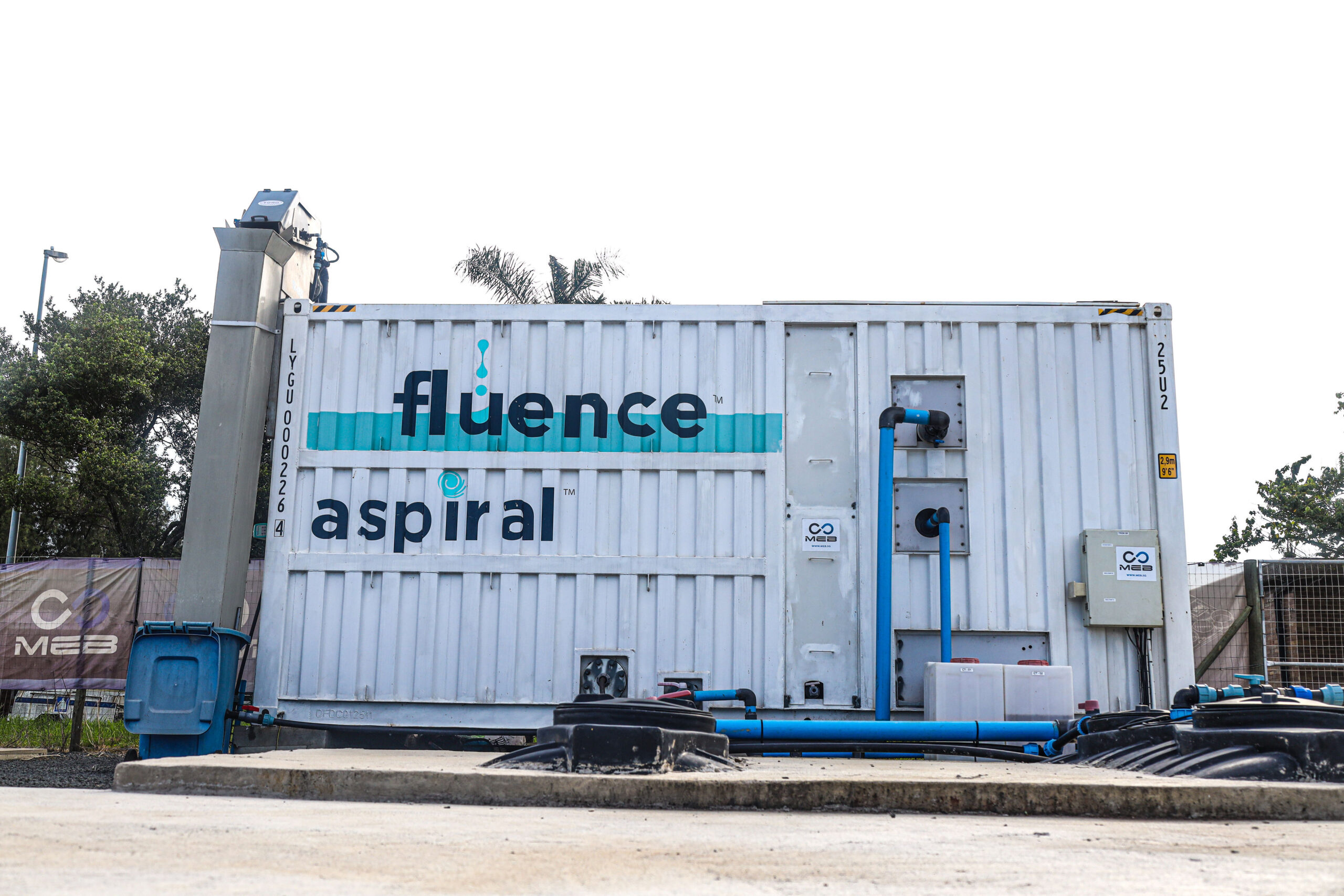
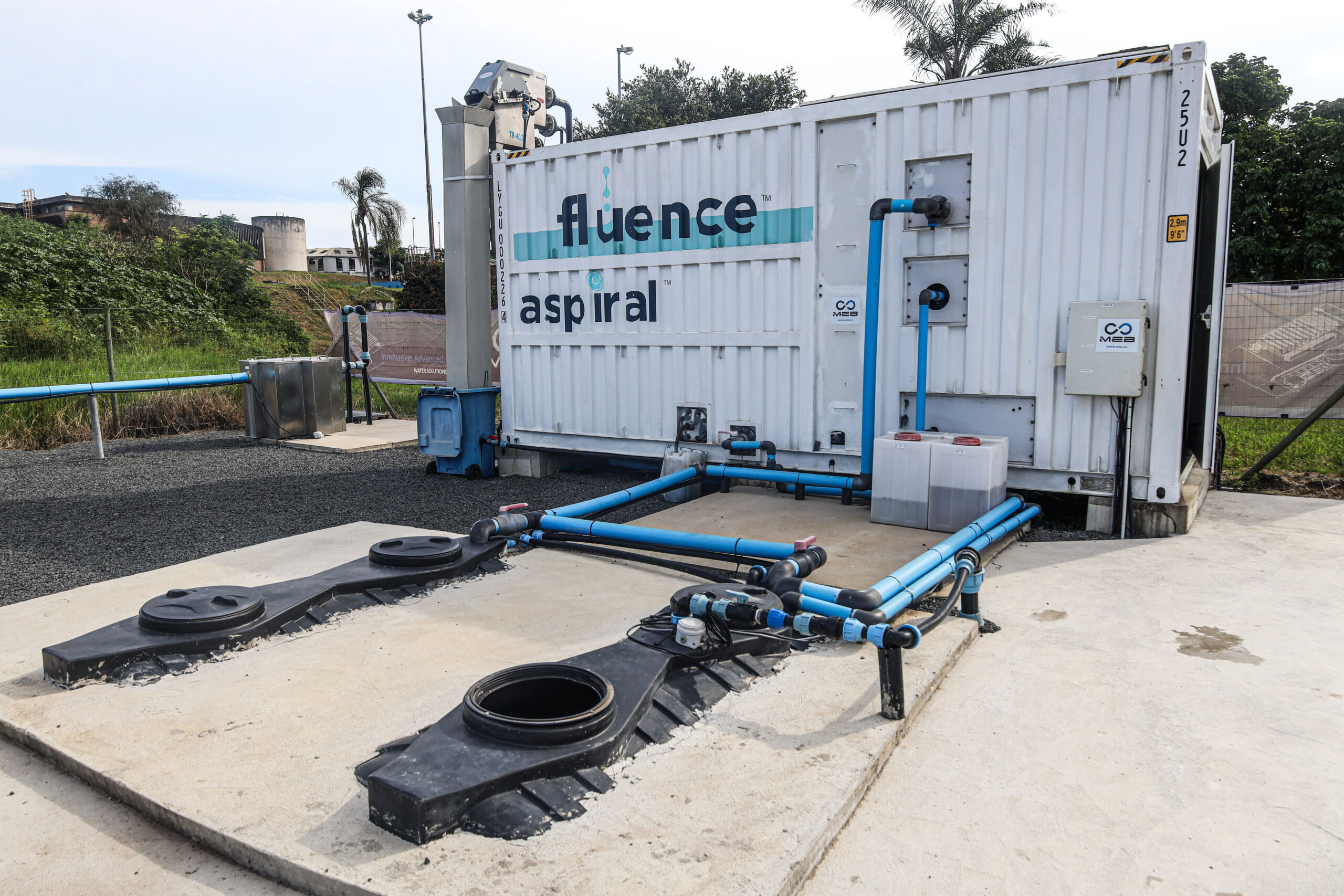
At MEB, we understand the challenges of water salinity firsthand. That’s why we offer advanced water treatment solutions like our Nirobox™ desalination technology to turn challenging water sources into valuable resources. Our modular systems are designed to deliver reliable, efficient desalination where it is needed most, helping industries, municipalities, and remote communities access safer water with confidence. By combining proven technology with practical deployment, we support a more resilient approach to water management in saline-affected regions.
Because access to safe, clean water should never be compromised.