Millions of people living in South Africa’s informal settlements still lack access to clean water and safe sanitation. The consequences ripple across every part of life, from child health to school attendance to economic opportunity.
Access to reliable water points and dignified sanitation facilities can transform daily life. It means fewer preventable illnesses, more time for children to learn, and safer, healthier communities where families can thrive.
Tackling this challenge isn’t simple, but it is urgent. When communities gain reliable access to safe water and proper sanitation, waterborne diseases decline, children stay healthy and in school, and women and girls are freed from the daily burden of water collection. The returns social, economic, and human are profound.
Sustained progress depends on more than infrastructure alone. Communities need the resources, training, and local leadership to maintain water systems, promote hygiene practices, and ensure that services remain accessible to everyone, including those in remote and underserved areas.
Real progress takes more than goodwill. It requires coordinated action: governments delivering on service commitments, the private sector investing in sustainable infrastructure, and communities driving the solutions that work for them.
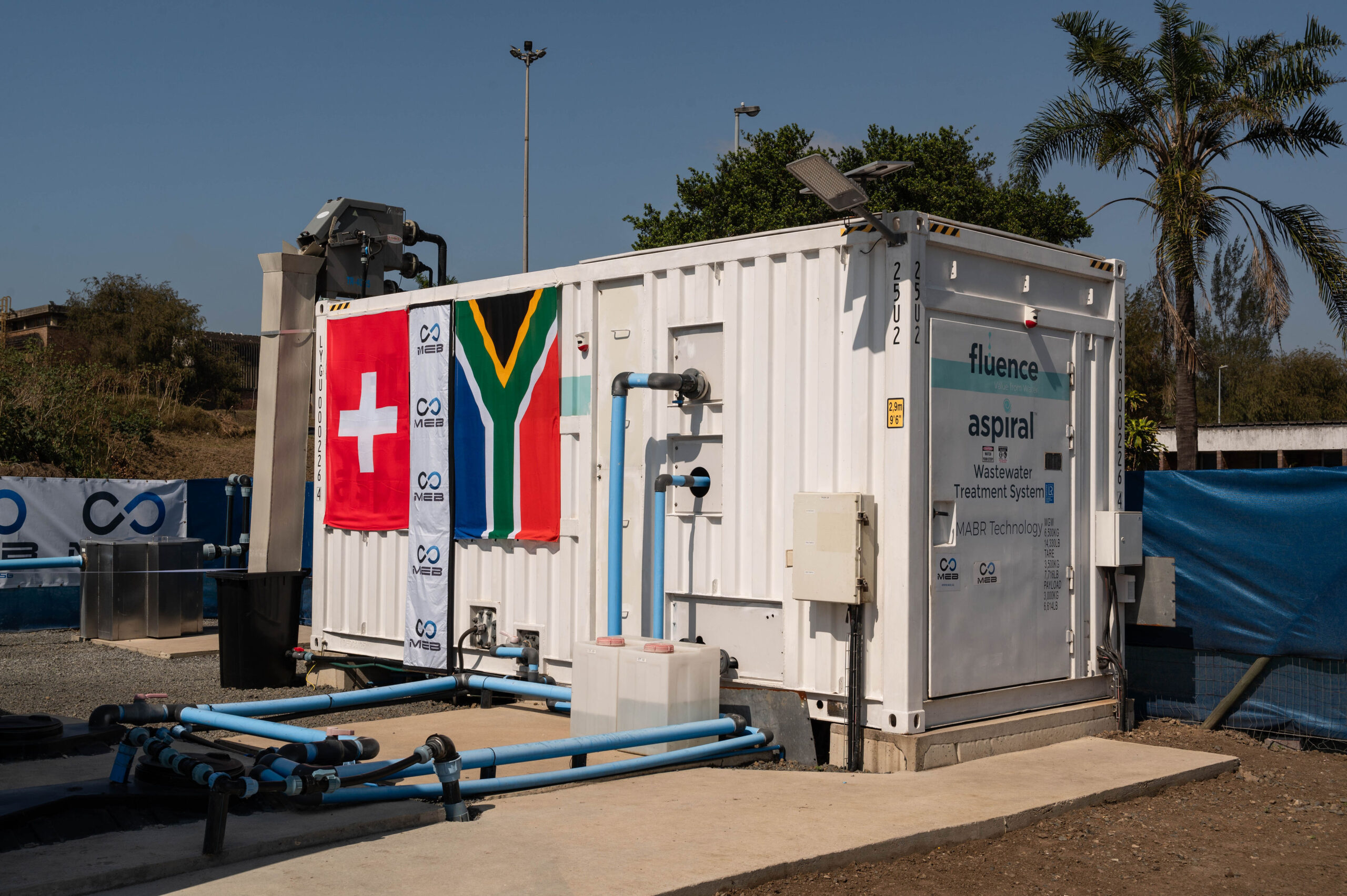
At MEB, we’re committed to being part of that effort. Through partnerships with local governments, organizations, and community stakeholders, we build water solutions that are adaptive, inclusive, and built to last – because clean water isn’t a privilege. It’s a foundation.
That foundation supports healthier families, stronger local economies, and greater resilience in the face of climate change. By combining practical technology with local knowledge, we can help ensure that every investment in water creates lasting value for the people who depend on it.