Home
Smart City
Renewable Energy
Water and Wastewater
Telecommunications & Internet
Smart Security System
Smart Home
Smart Meters
Solutions
Services
Turnkey
EPC
About Us
Sectors
Water
Energy
Oil and Gas
Case Studies
News
Contact >
Home
Smart City
Renewable Energy
Water and Wastewater
Telecommunications & Internet
Smart Security System
Smart Home
Smart Meters
Solutions
Services
Turnkey
EPC
About Us
Sectors
Water
Energy
Oil and Gas
Case Studies
News
Contact >
Menu
Home
Smart City
Renewable Energy
Water and Wastewater
Telecommunications & Internet
Smart Security System
Smart Home
Smart Meters
Solutions
Services
Turnkey
EPC
About Us
Sectors
Water
Energy
Oil and Gas
Case Studies
News
Contact >
Latest News and Events
Navigating Modern Water Challenges & Fighting ‘Power’ Dynamics
September 22, 2023
South Africa’s Infrastructure: When Age Really Does Count
September 21, 2023
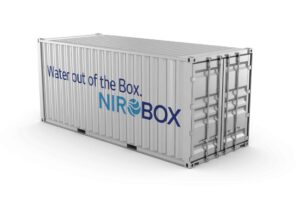
Containerized Mobile Water Treatment
September 15, 2023
“Water: colorless and tasteless, but most vital” – African Proverb
September 14, 2023
W2E: How Valuable is Human Waste?
September 13, 2023
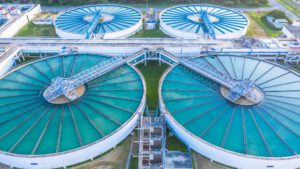
Enhancing Water & Wastewater Infrastructure through Retrofitting
September 8, 2023
Better Potable Water Management: Lift-Off, Fly More Efficiently
September 7, 2023
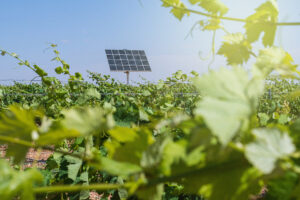
Vineyards of Hope: Energy Equilibrium for Winemaking
September 6, 2023
Public-Private Partnerships: Energy of Tomorrow here Today
September 1, 2023
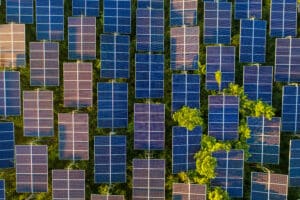
Agrivoltaics: A Heaven Made Match
August 31, 2023