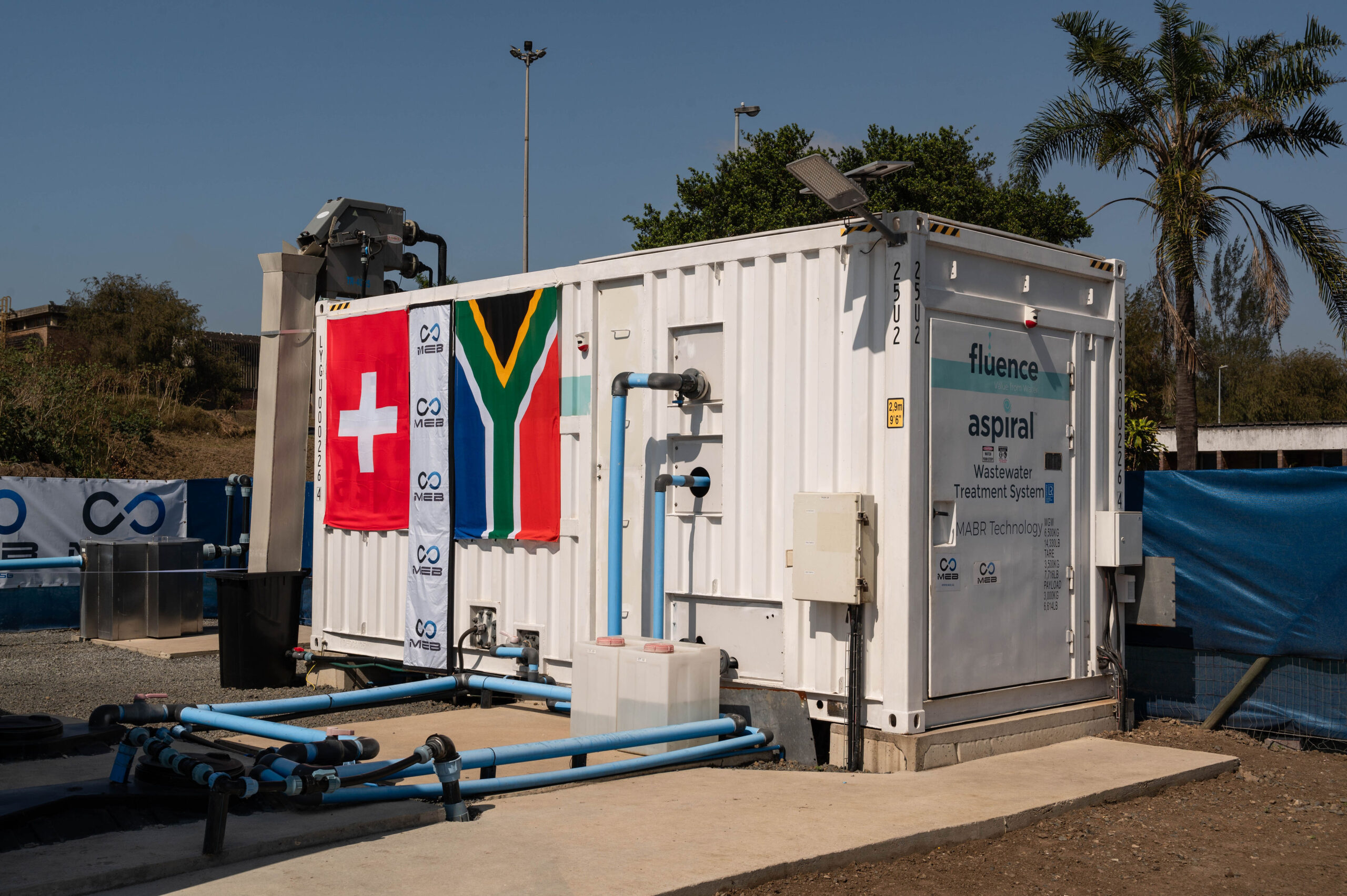
The future of low energy wastewater treatment, water scarcity, rising energy costs, and tightening environmental regulations are pushing municipalities and industries toward high-performance, low-energy wastewater treatment solutions-and Membrane Aerated Biofilm Reactor (MABR) technology is leading the charge.
Water Scarcity
The numbers are stark. According to the United Nations World Water Development Report, global water demand is expected to exceed supply by 40% by 2030. As the global population grows and industrialization accelerates, the need for clean water has never been greater-and traditional treatment methods, energy-intensive and resource-heavy, are no longer a viable long-term answer. More sustainable solutions are needed, and fast.
Rising Energy Costs
Wastewater treatment plants rank among the largest energy consumers in any city or municipality. According to the International Energy Agency (IEA), wastewater treatment accounts for roughly 3% of all electricity consumed globally
As energy costs continue to rise, the financial sustainability of traditional methods is being called into question.
Many wastewater treatment plants rely on outdated technologies that require large amounts of energy to operate. For instance, conventional activated sludge systems use aeration to break down organic matter and remove pollutants from water. This process can consume up to 60% of a plant’s total energy usage. Additionally, pumping and transporting wastewater also requires significant amounts of energy.
Environmental Impact
In addition to rising costs, traditional wastewater treatment methods also have a negative impact on the environment. The use of fossil fuels for energy production contributes significantly to greenhouse gas emissions, which contribute to climate change. Furthermore, the disposal of treated sludge
The Benefits of MABR Technology
MABR is a proven, full-scale technology that delivers on multiple fronts: significant energy savings, reliable nutrient removal, and a compact footprint. Whether integrated into existing facilities or deployed in new installations, it offers the flexibility that modern water treatment demands.
MEB’s Specialized Approach
MEB accelerates the adoption of Fluence Aspiral™ MABR by layering advanced process controls, real-time monitoring, and modular design capabilities on top of the core technology. By automatically adjusting oxygen delivery based on live system conditions, we maximize energy efficiency, maintains consistent regulatory compliance, and drives down overall operating costs.