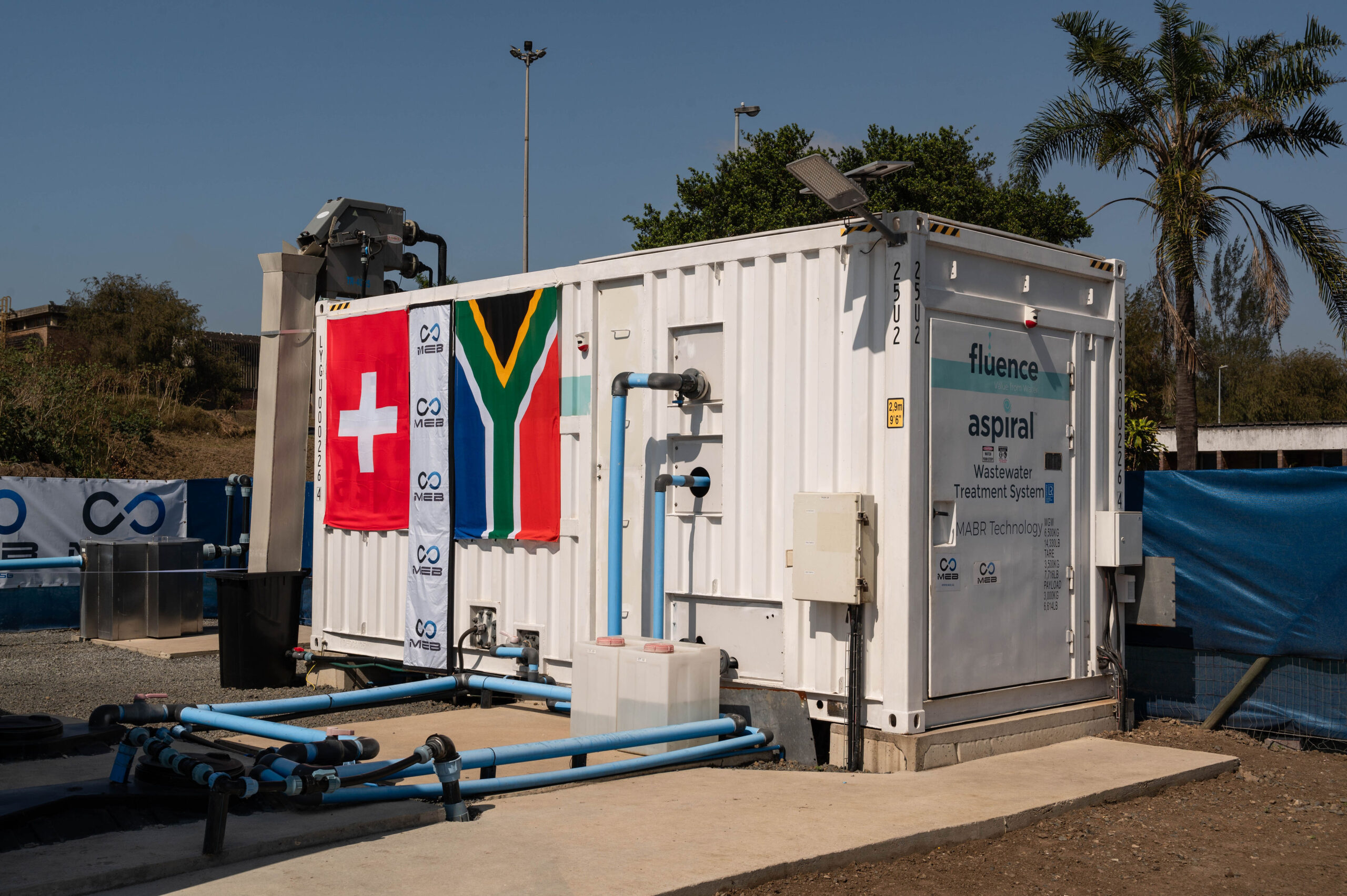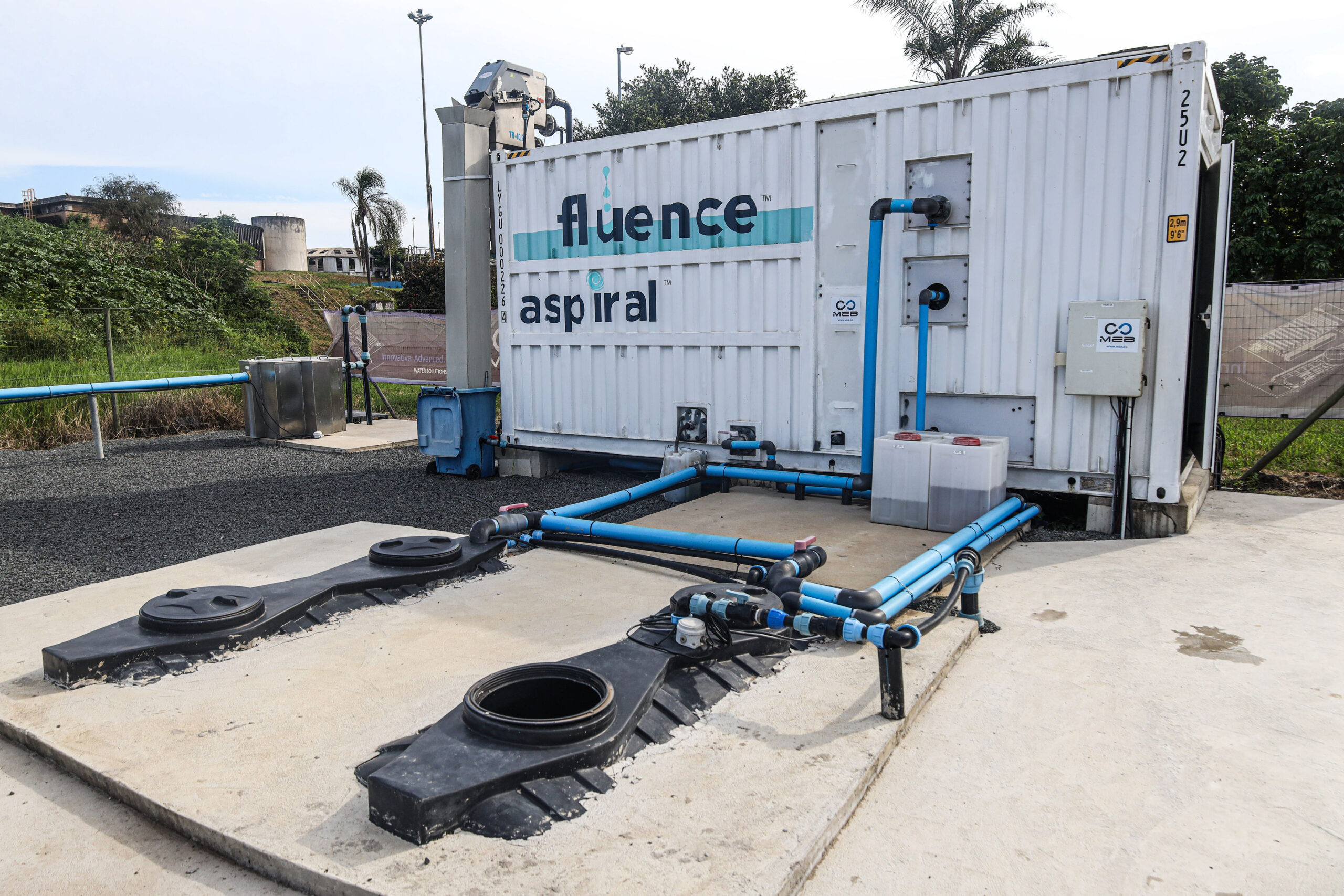


Modular desalination technology represents a major leap forward in global water security. By eliminating the high costs and lengthy construction timelines of traditional plants, the Nirobox™ system democratizes access to desalination.
Organizations facing water scarcity no longer have to wait years for a solution. With minimal site preparation and highly efficient energy consumption, decentralized desalination provides an immediate, scalable answer to freshwater shortages. Assess your site’s specific water requirements today to determine if a plug-and-play desalination unit is the right fit for your operational needs.
How does Nirobox™ technology purify seawater and brackish water?
The desalination process inside a Nirobox™ container relies on a highly efficient, multi-stage treatment workflow. Every stage is optimized to ensure maximum water purity while minimizing energy consumption.
First, the raw feed water undergoes a pre-treatment phase. The system passes the water through multimedia filtration and ultrafiltration (UF) membranes to remove suspended solids, bacteria, and large organic molecules. This crucial step protects the sensitive reverse osmosis membranes from fouling and extends their operational lifespan.
Next, the pre-treated water enters the reverse osmosis stage. High-pressure pumps force the water through semi-permeable RO membranes. These membranes feature microscopic pores that allow water molecules to pass through while blocking dissolved salts and minerals. To maximize energy efficiency.
The system incorporates an energy recovery device (ERD). The ERD captures kinetic energy from the high-pressure reject brine and transfers it back into the system, significantly lowering the overall power requirements.
Finally, the purified water moves through a post-treatment phase. The system remineralizers the water to ensure it meets World Health Organization (WHO) standards for drinking water and tastes crisp and clean. Our team of experts is ready to provide tailored solutions and answer any questions you may have.