The beauty industry is booming. Global cosmetics market revenue is projected to surpass $650 billion by 2032, driven by growing demand for skincare, haircare, and personal care products. But behind every cleanser, conditioner, and cream lies a manufacturing process that generates something far less glamorous: industrial wastewater.
For beauty product manufacturers, wastewater is one of the most pressing operational and environmental challenges on the factory floor. The effluent produced during formulation, blending, and equipment cleaning contains a complex cocktail of surfactants, emulsifiers, preservatives, fragrances, pigments, and microplastics. Left untreated, this wastewater poses serious risks to aquatic ecosystems and can result in significant regulatory penalties.
As such, properly managing and treating industrial wastewater is crucial for both the sustainability and profitability of beauty product manufacturing.
The main reason why proper treatment of industrial wastewater is essential is to protect the environment. When left untreated, the toxic chemicals and pollutants in the effluent can contaminate water bodies, harming aquatic life and potentially causing long-term damage to entire ecosystems. This not only affects the natural environment but also poses a threat to human health as these contaminated waters may eventually make their way into drinking water sources.
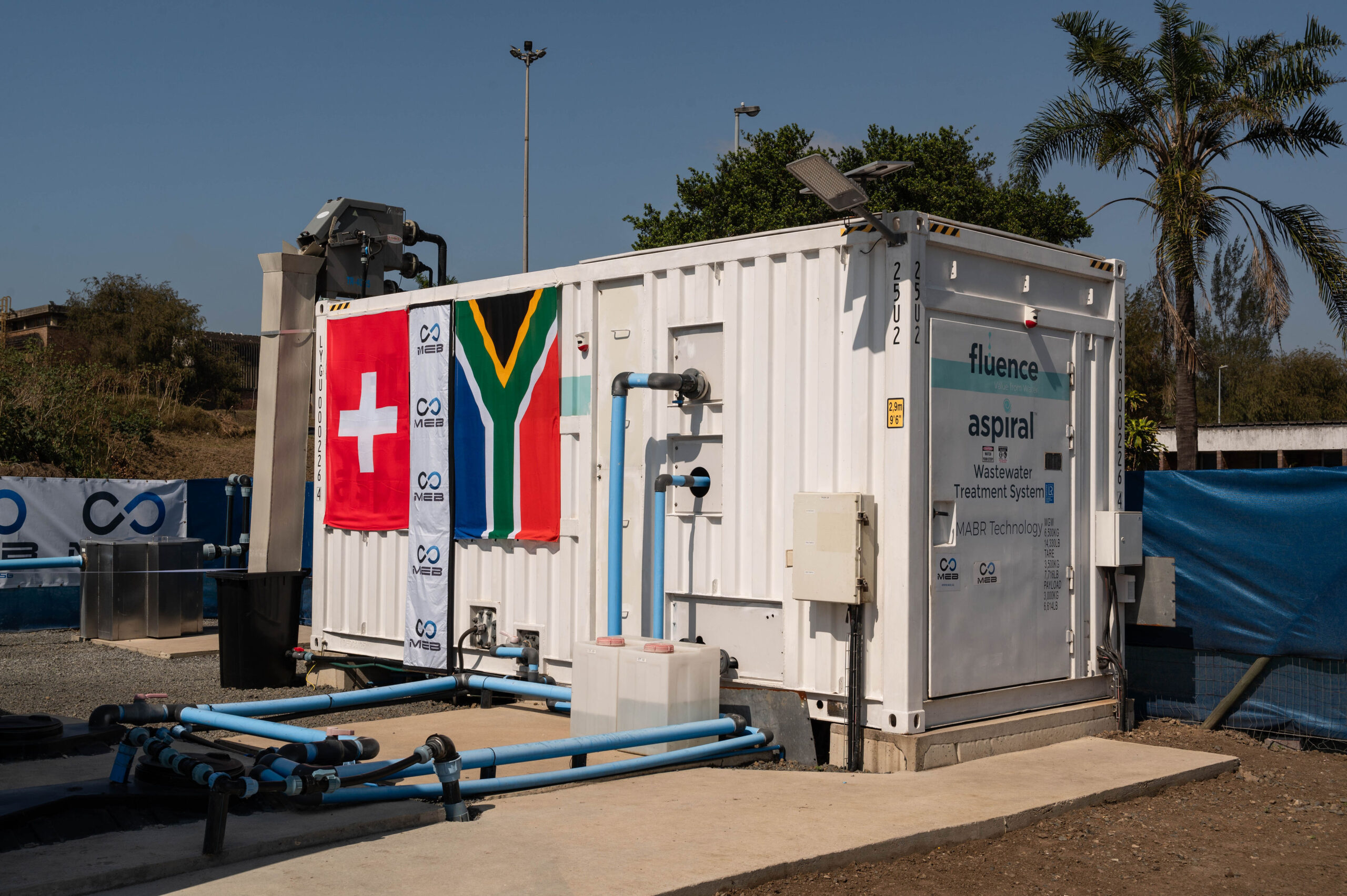
MEB provides tailored wastewater treatment solutions designed specifically for the beauty and personal care industry-helping manufacturers meet regulatory standards, reduce environmental impact, and lower operational costs.