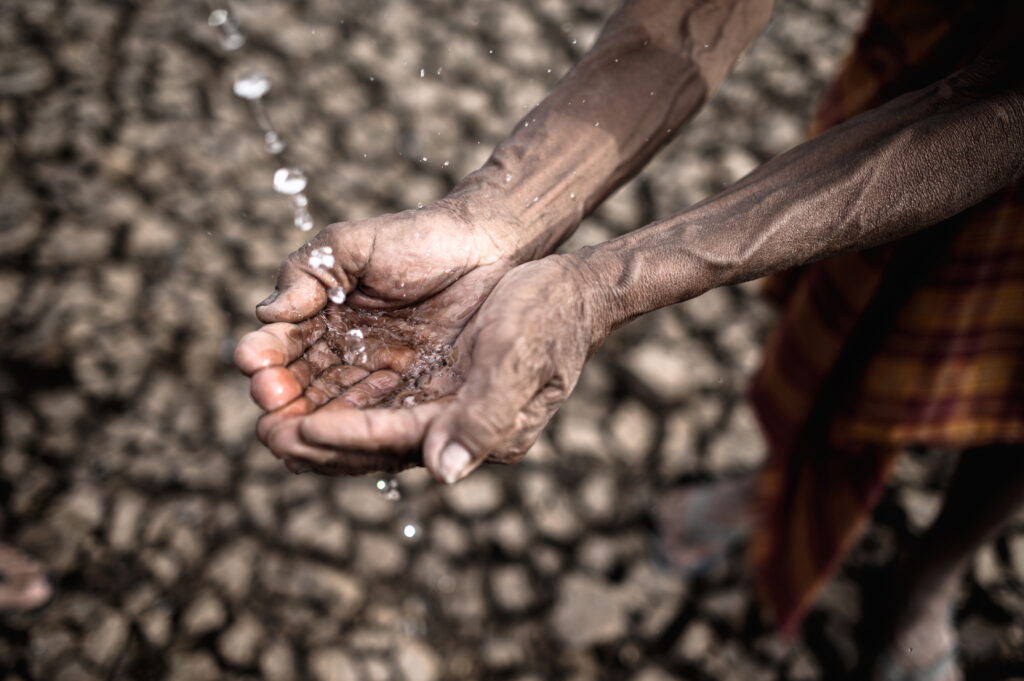
The main causes of water scarcity in South Africa, the water crisis is not the result of a single event. It stems from a complex intersection of environmental, structural, and administrative challenges that have compounded over several decades.
How does climate change impact South African rainfall patterns?
South Africa has always been a naturally semi-arid country. However, climate change has drastically altered historical rainfall reliability. In 2026, the country experiences highly erratic weather patterns driven by shifting ocean temperatures. Prolonged dry spells now regularly deplete the major dams supplying urban hubs. When rain does fall, it often arrives in concentrated, destructive storms that overwhelm catchment systems rather than gently replenishing groundwater reserves. This volatility makes long-term water planning incredibly difficult for the national government.
At MEB, we understand the growing challenges posed by unpredictable weather patterns and the strain they place on water resources. Our innovative water solutions focus on resilience and sustainability, ensuring communities can adapt to these changing conditions. From advanced efficient water treatment technologies, we provide tools that maximize resource use and minimize waste. Additionally, our tailored planning services help urban and rural areas implement smart water management strategies, safeguarding both current and future water needs. With MEB, managing water in an uncertain climate becomes both practical and achievable.