

As populations expand and industrial development accelerates, the demand for clean water continues to climb. Efficient wastewater treatment is no longer just an environmental goal-it is a strict economic necessity.
Traditional treatment plants consume massive amounts of energy, largely because breaking down biological waste requires intensive aeration. Facility managers face a constant battle: how can they cut these operational costs while still meeting strict discharge standards?
The Innovation: Membrane Aerated Biofilm Reactors (MABR)
Membrane Aerated Biofilm Reactors (MABR) offer a powerful solution. This emerging technology represents a major leap forward for civic planners and facility managers looking to upgrade their water infrastructure.
The MABR system provides three core benefits:
- Dual-Zone Treatment: Removes contaminants efficiently by running aerobic and anoxic treatment processes at the same time.
- Energy Efficiency: Delivers oxygen directly to wastewater-cleaning bacteria. By eliminating the need for high-pressure bubbling, it uses only a fraction of the energy required by traditional methods.
- Cost-Effective: Lowers operational expenses dramatically while consistently producing high-quality water effluent.
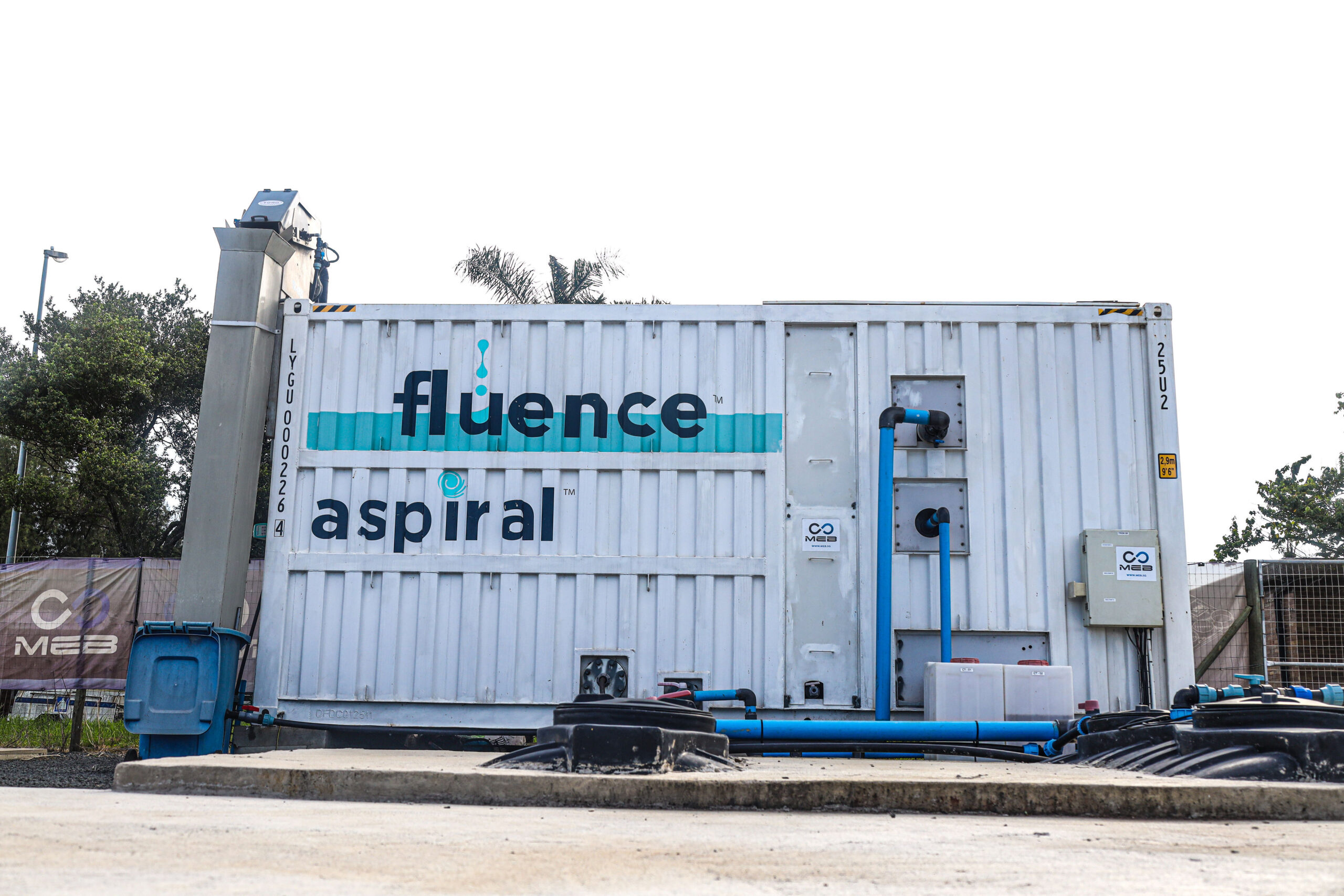
The Aspiral™ MABR system has revolutionized the wastewater treatment industry, providing a more sustainable and efficient solution for treating sewage and other forms of wastewater. With its advanced technology and innovative design, it addresses the challenges faced by traditional treatment methods, such as high energy consumption and costly maintenance.
Innovative technologies like MABR are actively transforming how municipalities and industries handle wastewater. By adopting this system, organizations can achieve superior environmental compliance sustainably. Sustainable infrastructure leaders like MEB already rely on MABR technology to deliver these effective, decentralized wastewater solutions.