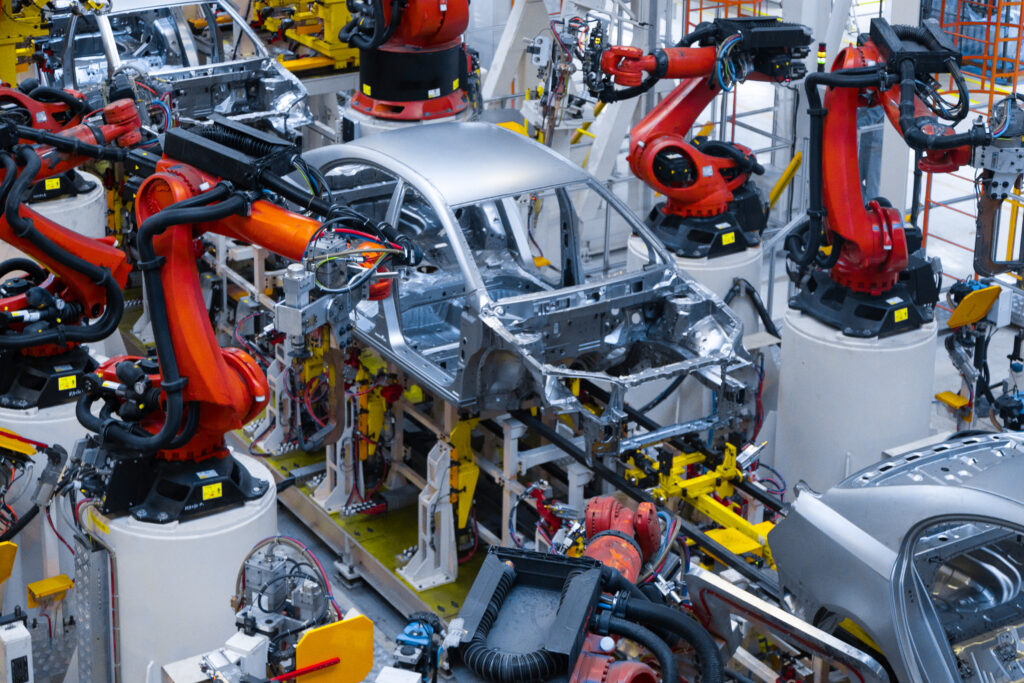
Water crisis threatens African automotive industry hub, South Africa offers organizations the ideal gateway to continental markets, combining economic advantages with strategic logistics. The country’s automotive industry spans three key provinces: Gauteng (the economic powerhouse), Eastern Cape (home to the country’s largest Industrial Development Zone), and KwaZulu-Natal (featuring Africa’s busiest port).
Nelson Mandela Bay Municipality, one of South Africa’s eight metropolitan areas, sits on the Eastern Cape’s Algoa Bay shores. This region has long attracted water-intensive industries-agriculture, paper production, and major exports of wool, skins, and automotive components. However, the municipality now struggles to meet escalating water demands.
With 40 kilometers of stunning coastline and world-class facilities, Nelson Mandela Bay is perfectly positioned for decentralized desalination. As Africa’s automotive manufacturing hub, the metro hosts numerous international vehicle and component manufacturers. The city must urgently address its approaching Day Zero crisis, which threatens manufacturing capacity, job creation, and the nation’s GDP.
Water Consumption in Automotive Manufacturing
South Africa’s automotive sector consumes massive quantities of water across production processes. Manufacturing a single passenger vehicle requires over 148 cubic meters of water-equivalent to filling about three average swimming pools.
Major water-consuming processes include:
- Surface treatment and coating
- Paint spray booths
- Washing and rinsing operations
- Cooling systems
- Air conditioning
- Boiler operations
- Component manufacturing processes
Beyond production water needs, manufacturers face the challenge of treating wastewater to meet strict environmental discharge standards. Nelson Mandela Bay’s primary focus must be increasing water availability through conservation and expanded capacity.