

Water public participation in infrastructure, Public-Private Partnerships (PPPs) are crucial for advancing South Africa’s water infrastructure. The most significant opportunities within the water value chain lie in desalination, wastewater treatment, and water reuse. For a developing country like South Africa, securing reliable funding through public-private collaboration is key to bridging the gap between infrastructure expansion and public access.
The potential to engage PPPs exists across various municipality types. According to the World Bank’s Private Participation in Infrastructure (PPI) Project Database, which tracks over 6,400 projects in 137 low- and middle-income countries, PPPs are a proven model. This data covers projects in energy, transport, water, and other sectors, including concessions, greenfield projects, and management contracts.
By leveraging PPPs, South Africa can attract the right private sector partners and technologies. These partnerships establish clear requirements for private entities, ensuring they meet specific performance criteria and contribute effectively to solving the nation’s water challenges.
Water PPPs with the Highest Potential:
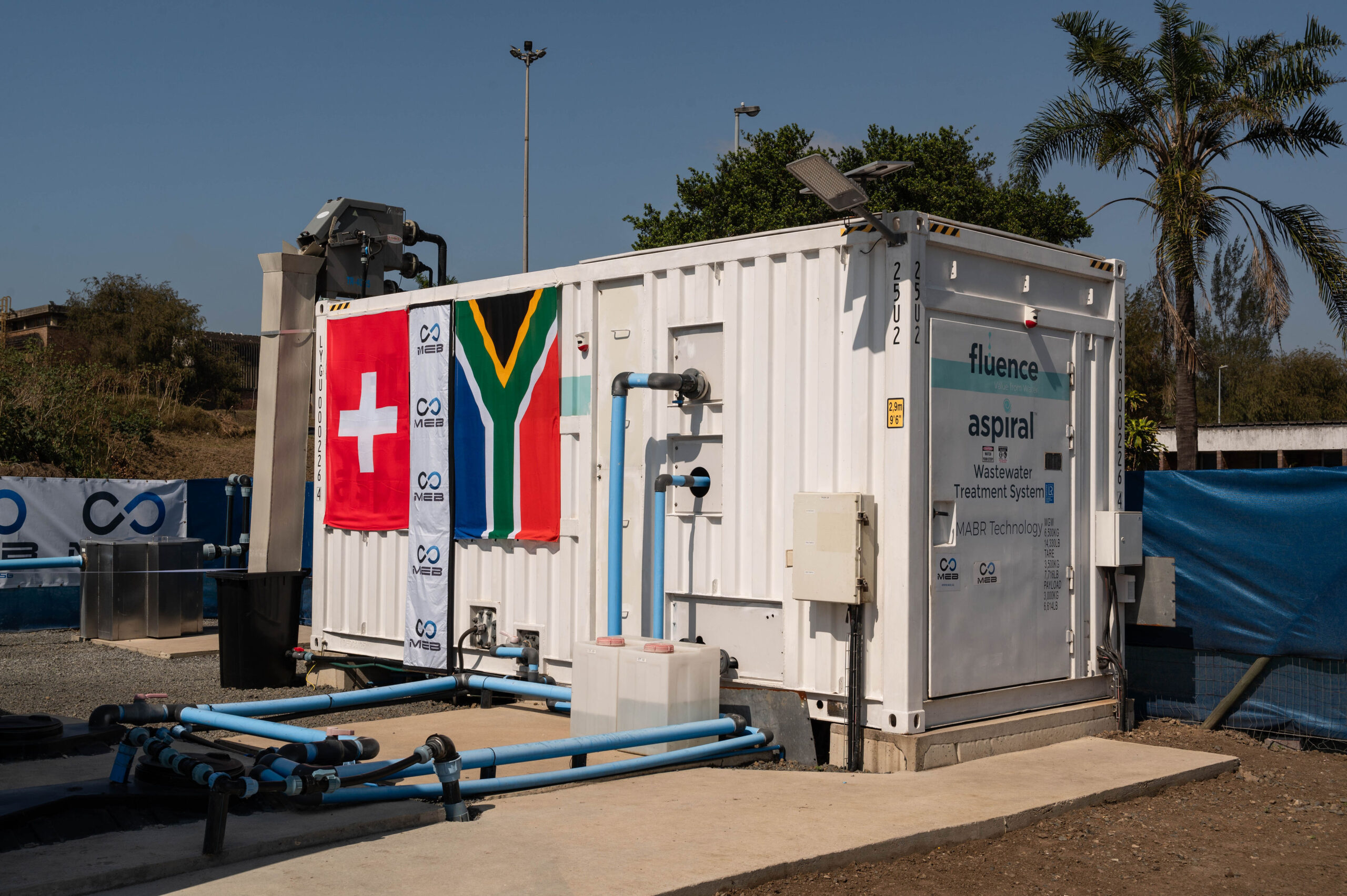
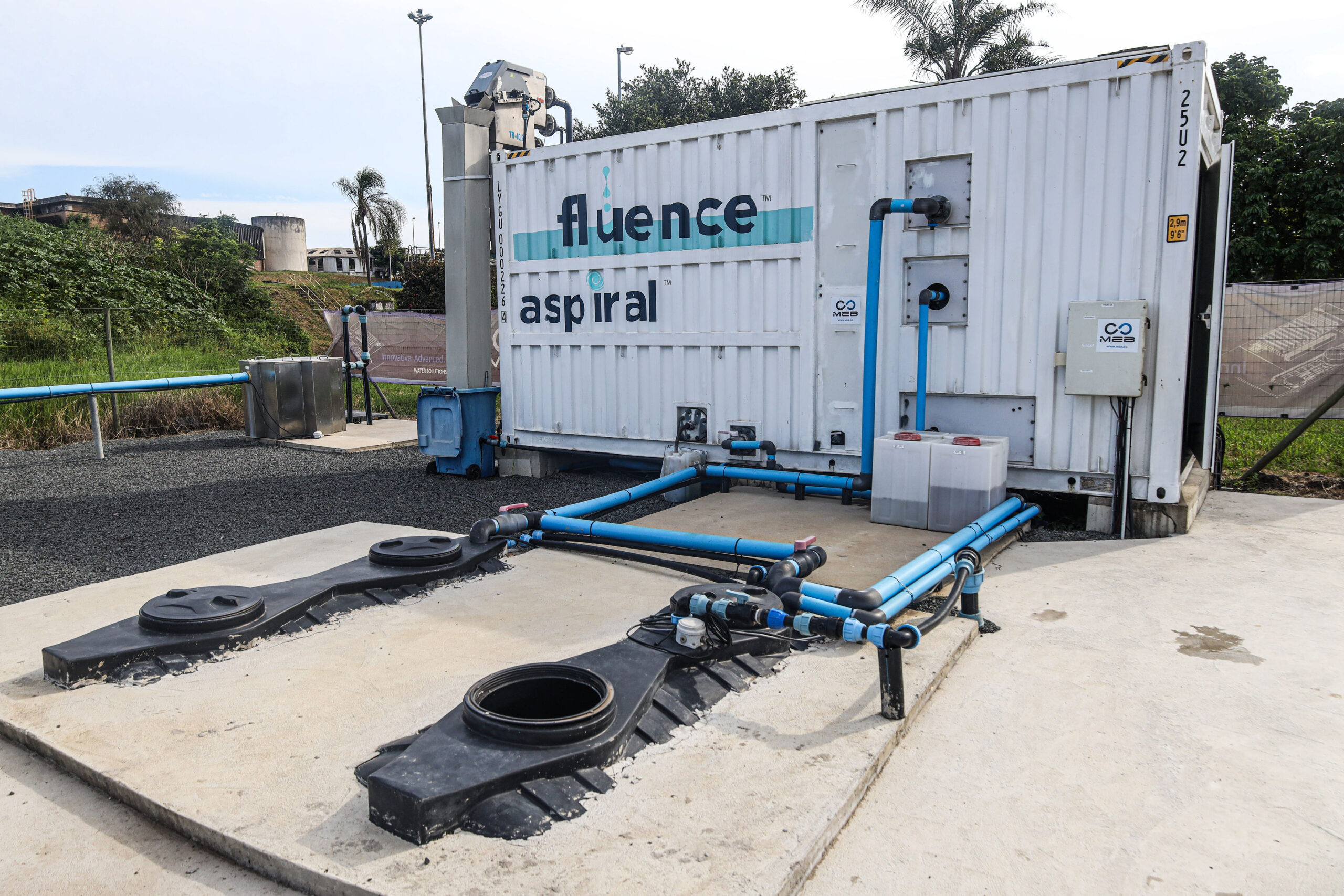
- Wastewater treatment and water reuse facilities
- Groundwater extraction and aquifer recharge systems
At MEB, we have the experience and capacity in infrastructure funding and implementation to help organizations maximize proven, energy-efficient technologies. Our mission is to diversify infrastructure with trusted water, wastewater, and energy solutions optimized for decentralization and remote operation.
For more information on our services and technology offerings, contact us today.