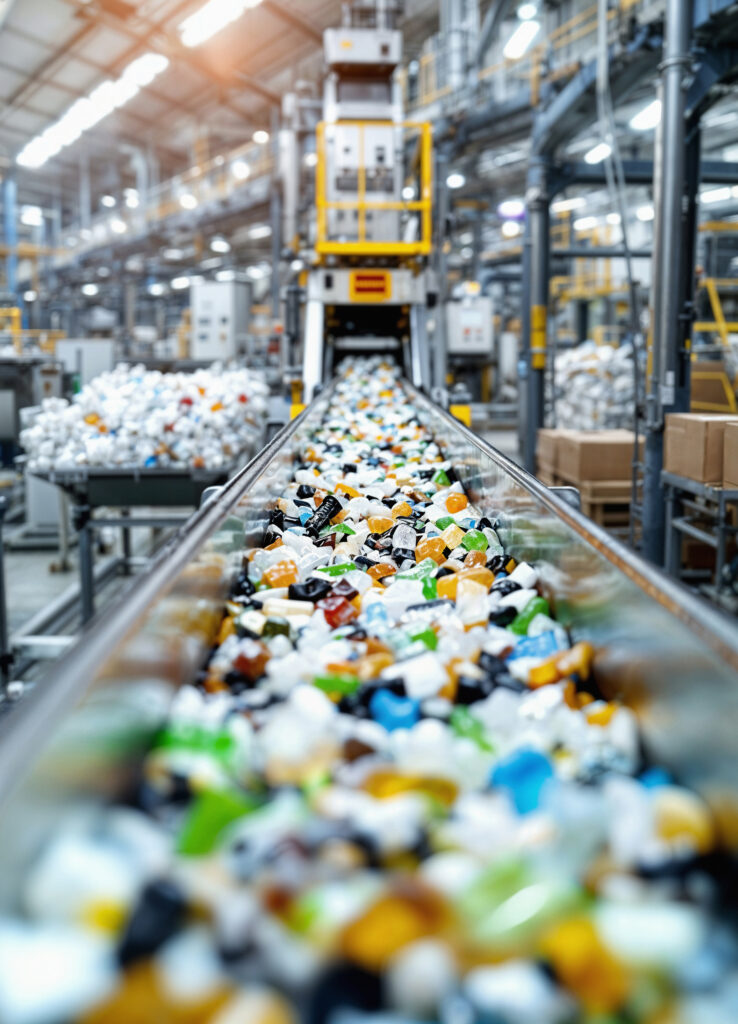
Plastic manufacturers generate highly contaminated wastewater containing heavy metals, suspended solids, surfactants, and chemical additives. Treating this wastewater requires a multi-stage approach typically combining physical, chemical, and biological treatment methods to meet regulatory discharge standards and reduce environmental impact.
Plastic manufacturing is one of the most water-intensive industrial sectors on the planet. From cooling and rinsing to molding and finishing, water touches nearly every stage of the production process. The result? Large volumes of wastewater that carry a complex cocktail of pollutants many of which are harmful to aquatic ecosystems and human health if discharged untreated.
Plastic manufacturing wastewater poses unique challenges that set it apart from other industrial effluents.
First, the variability. A facility running multiple product lines may generate wastewater with widely different chemical profiles across shifts or production cycles. Treatment systems must be flexible enough to handle these fluctuations without process upsets.
Second, many of the organic compounds found in plastics production phthalates, bisphenol A (BPA), styrene are resistant to conventional biological treatment. These recalcitrant compounds require advanced oxidation or other specialized technologies to break down effectively.
Third, heavy metal contamination complicates biological treatment. At elevated concentrations, heavy metals are toxic to the microorganisms that biological treatment systems rely on. This means chemical precipitation or other metal removal steps must occur before biological treatment can function properly.
For plant managers and environmental compliance officers, wastewater treatment isn’t just a regulatory box to check. Done right, it can reduce operating costs, protect the surrounding environment, and future-proof facilities against tightening discharge regulations. Done poorly, it exposes businesses to fines, shutdowns, and reputational damage that can take years to recover from.
That’s where our wastewater treatment solutions at MEB comes in. Designed specifically for the demands of plastic manufacturing operations, our approach begins with a thorough assessment of the facility’s wastewater streams flow rates, contaminant concentrations, variability patterns, and discharge requirements. From there, our engineering team develops a treatment system design tailored to those specific conditions.
This isn’t a catalog-selection process. Every system we deliver at MEB is configured for the realities of the facility it serves whether that’s a high-volume injection molding operation with complex cooling water streams, a compounding facility with heavy additive loads, or a film extrusion plant managing solvent-containing effluent.
MEB also supports ongoing operations through monitoring, maintenance programs, and system optimization ensuring that treatment performance holds up as production volumes and product mixes evolve over time.