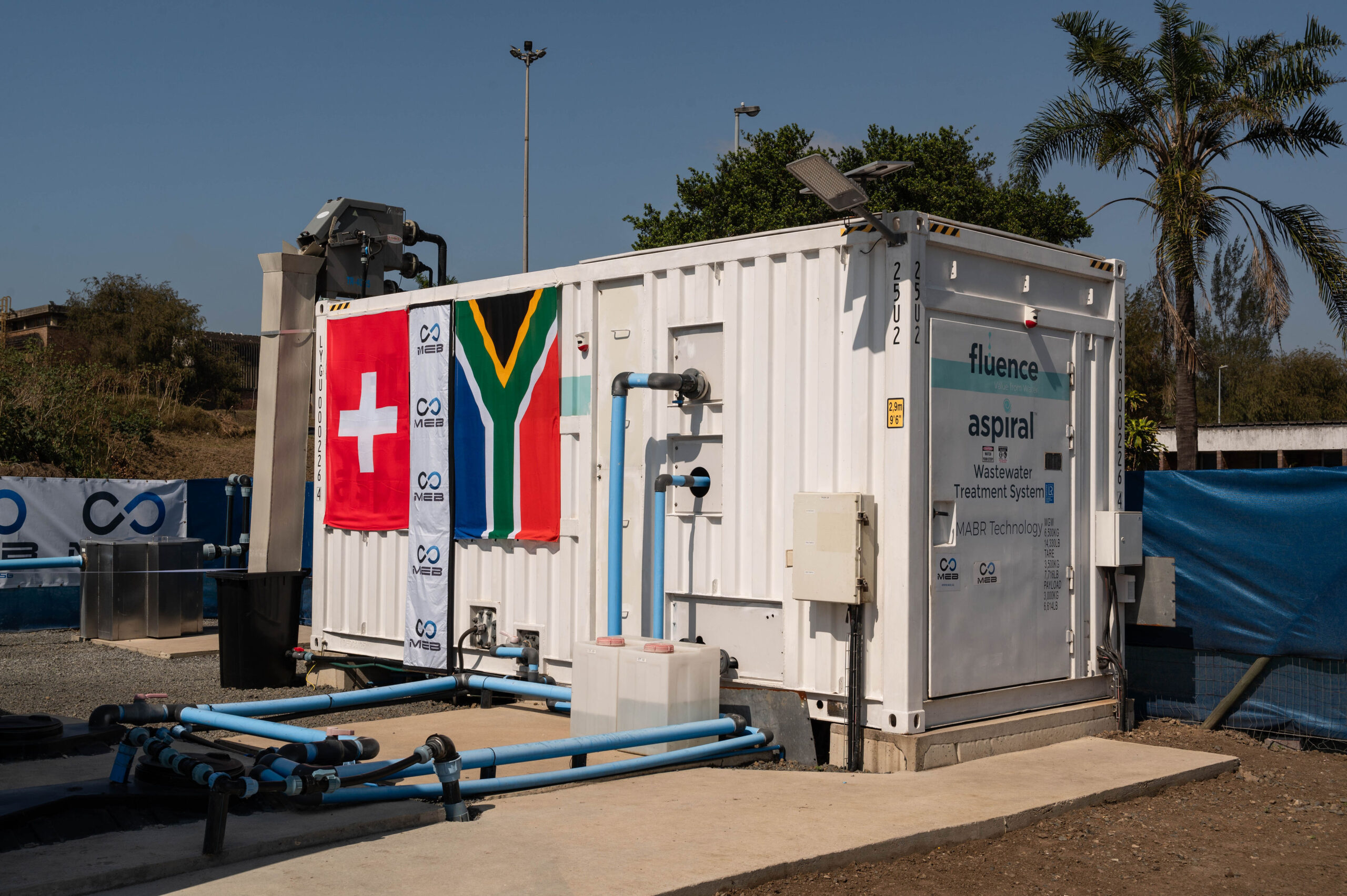
Hair colour factories produce wastewater loaded with dyes, ammonia, hydrogen peroxide, and heavy metals that standard sewers can’t handle. Effective treatment combines physical, chemical, and biological methods to remove contaminants, meet discharge limits, and recover water.
Hair colour manufacturing is a colourful business literally. Every batch of dye, developer, and rinse water leaves behind a complex stream of chemicals that can’t simply flow down the drain. The wastewater from these facilities carries synthetic dyes, oxidizing agents, ammonia compounds, and trace metals, all of which pose real risks to municipal systems and the environment.
Why does untreated hair colour wastewater matter?
The consequences of poor treatment reach beyond the factory gates.
Environmental damage tops the list. Dye-laden water blocks light in rivers and lakes, harming plants and fish. Ammonia and peroxide can trigger toxic conditions that wipe out aquatic ecosystems.
Regulatory penalties are a growing financial risk. Environmental agencies worldwide are setting stricter limits on colour, COD, and metal content in industrial discharge. Facilities that exceed these limits face fines, forced shutdowns, or loss of operating permits.
Reputational harm matters too. Consumers and retail partners increasingly favour brands with clean supply chains. A pollution incident can undo years of brand-building overnight.
Choosing proper treatment protects the environment, keeps a facility compliant, and safeguards its reputation three outcomes that far outweigh the cost of a good system.
For plant managers and sustainability officers, this creates a genuine challenge. Discharge regulations are tightening, fines for non-compliance are climbing, and public scrutiny of industrial pollution keeps growing. Ignoring wastewater treatment isn’t an option, but figuring out the right approach can feel overwhelming.
Our Wastewater Solutions at MEB
At MEB, we design custom systems that make this process reliable and cost-effective we specialize in delivering cutting-edge wastewater treatment solutions tailored to meet the unique needs of your facility. Our systems are designed to ensure compliance with industrial discharge standards while optimizing operational efficiency. From advanced filtration technologies to innovative chemical treatments, we provide comprehensive solutions that reduce pollutants, lower environmental impact, and support sustainable practices. With a commitment to quality, reliability, and environmental stewardship, we help businesses protect their reputation and achieve long-term success. Trust MEB to provide the expertise and technology your operation needs to thrive in an increasingly regulated world.