
Running a game lodge in South Africa is a balancing act. You’re delivering five-star guest experiences in some of the country’s most pristine wilderness areas-while operating under strict environmental regulations and, often, far from municipal infrastructure. One of the most critical (and frequently overlooked) operational challenges is wastewater management.
Untreated or poorly managed wastewater doesn’t just create compliance headaches. It can contaminate groundwater, harm wildlife, degrade surrounding ecosystems, and ultimately threaten the very environment that makes your lodge worth visiting. For an industry built on natural beauty and conservation, that’s a risk no operator can afford to take.
Why Wastewater Management Is a Critical Challenge for Game Lodges
Game lodges generate a surprising volume of wastewater. Between guest ablutions, kitchen operations, laundry facilities, and staff accommodation, a mid-sized lodge can produce thousands of liters of effluent daily. Unlike urban hotels connected to municipal sewage systems, most lodges must manage this entirely on-site.
The stakes are high. South Africa’s wilderness areas sit within sensitive ecological zones-many adjacent to rivers, wetlands, and wildlife corridors. Effluent that isn’t properly treated can leach into the soil, contaminate nearby water sources, and create conditions that attract disease vectors or disrupt local fauna.
There’s also the matter of guest expectations. Eco-conscious travelers-an increasingly dominant segment of the safari market-actively look for lodges that demonstrate environmental responsibility. Poor wastewater management, if it becomes visible (through odors, visible effluent, or failed inspections), can cause lasting reputational damage.
Our Wastewater Solutions for Game Lodges
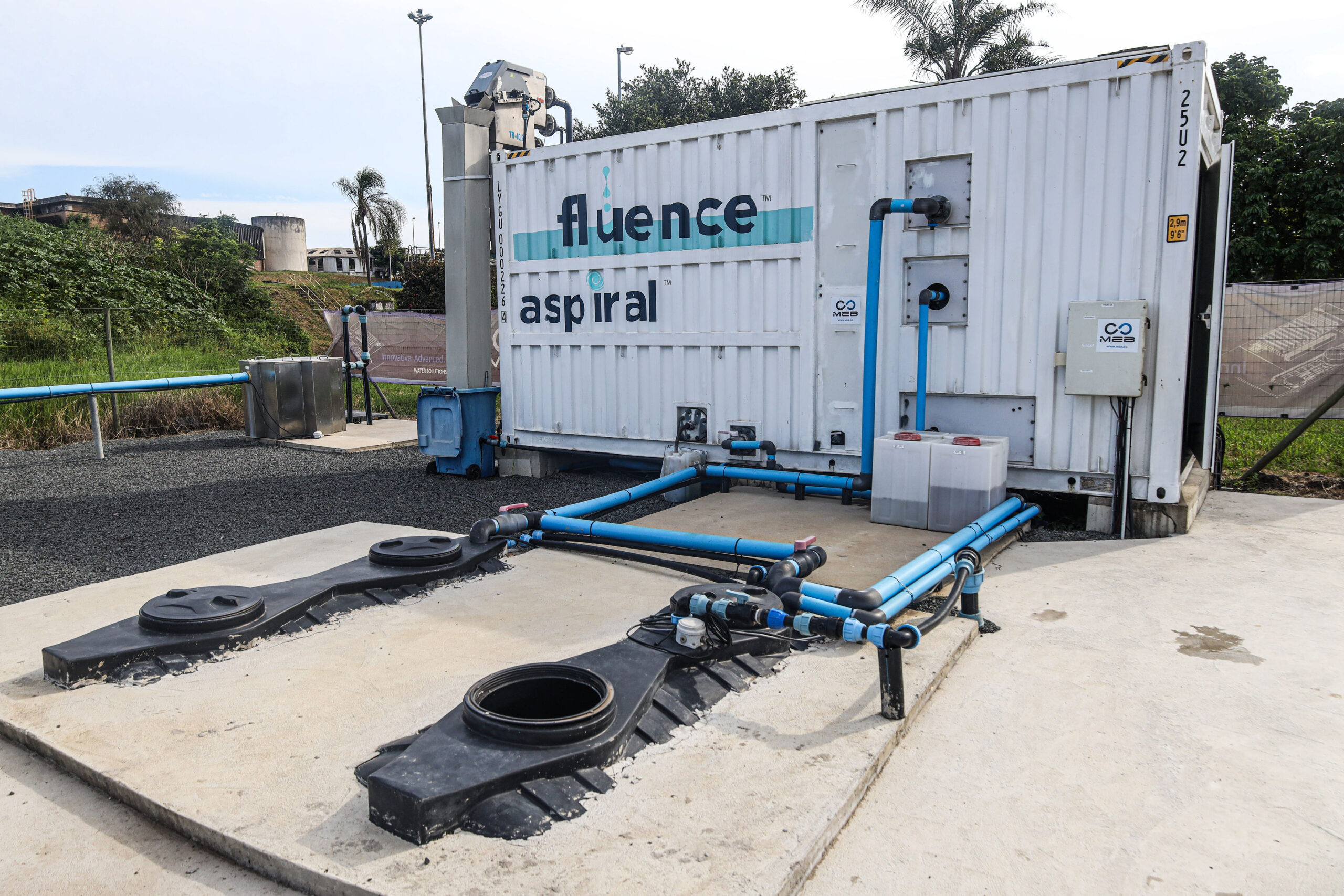
At MEB we specialize in providing sustainable and efficient wastewater management solutions tailored to the unique needs of game lodges. Our systems are designed to ensure minimal environmental impact while maintaining the highest standards of hygiene and functionality. By utilizing advanced treatment technologies, we can safely process wastewater on-site, turning it into reusable water suitable for irrigation or safe release into the environment. This not only protects the local ecosystem but also aligns with the growing eco-conscious expectations of modern travelers. With MEB, game lodges can maintain their commitment to environmental stewardship while offering guests a seamless, sustainable experience.