Please ensure Javascript is enabled for purposes of website accessibility

The Problem with Human Waste

The problem with human waste E. coli from human feces and other dangerous pollutants are choking our ecosystems
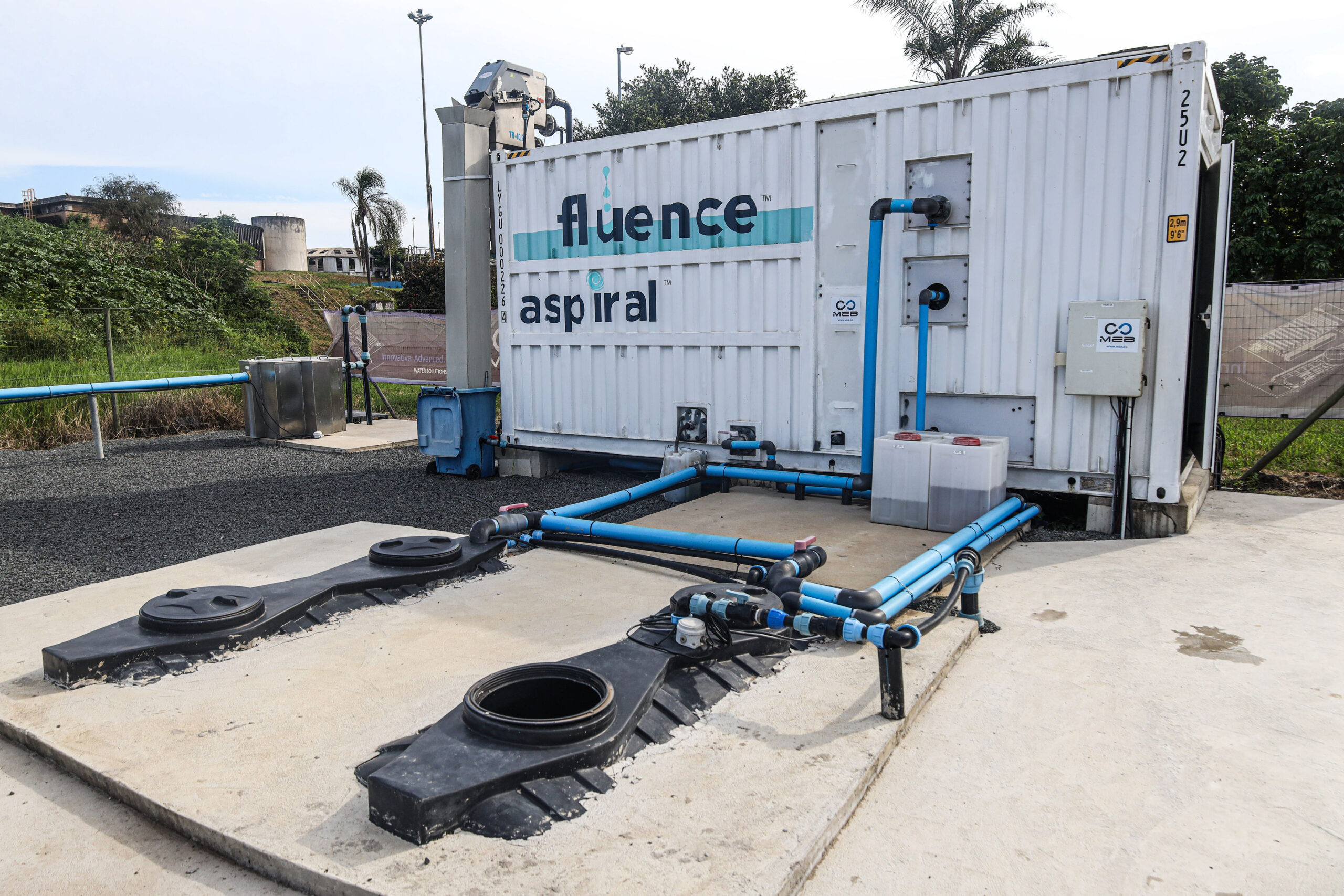
White industrial container labeled "Fluence Aspiral," equipped with pipes, railings, access ladder, and safety signs, situated outdoors on a concrete platform.

Table of Contents

The problem with human waste, the global human waste problem is escalating. High levels of coliform bacteria, like E. coli from human feces, and other dangerous pollutants are choking our ecosystems and harming the health of communities living in poor conditions. At MEB, we believe that finding the right solution starts with understanding the problem from the ground up.

Our primary focus is to understand the communities we serve so we can develop solutions that best fit their needs. This approach accelerates the process of providing adequate sanitation and adapting failing infrastructure to a rapidly changing world.

Decentralized, biological-based innovations like the Membrane Aerated Biofilm Reactor (MABR) are key to upgrading urban wastewater systems. They can reduce pressure on centralized treatment systems or provide affordable and effective alternatives.

At the core of our approach is a commitment to sustainability and innovation. By leveraging cutting-edge technologies, we aim to create systems that not only solve immediate wastewater challenges but also contribute to long-term environmental goals. Modern solutions like MABR offer energy efficiency and lower operational costs, making them an ideal choice for cities and communities of all sizes. Together, we can ensure a cleaner, safer future for generations to come.

Ready to find a solution? Contact our expert engineers today, and they will assess how to improve your current situation.
 

Share:

Case Study

A revolutionary approach to water supply

To cope with a crippling and prolonged drought crisis, MEB installed a containerized desalination plant at Richards Bay, South Africa. The project was completed in just seven months. The containers were easily transported to the designated location.1

More Posts

Related Posts
A white Fluence Aspiral industrial container unit with blue piping connected to two circular access ports on a concrete slab.
The Time for Action Is Now

Water scarcity isn’t some distant possibility it’s already reshaping communities, municipalities, and industries across South Africa. Headlines tend to focus on changing weather patterns and

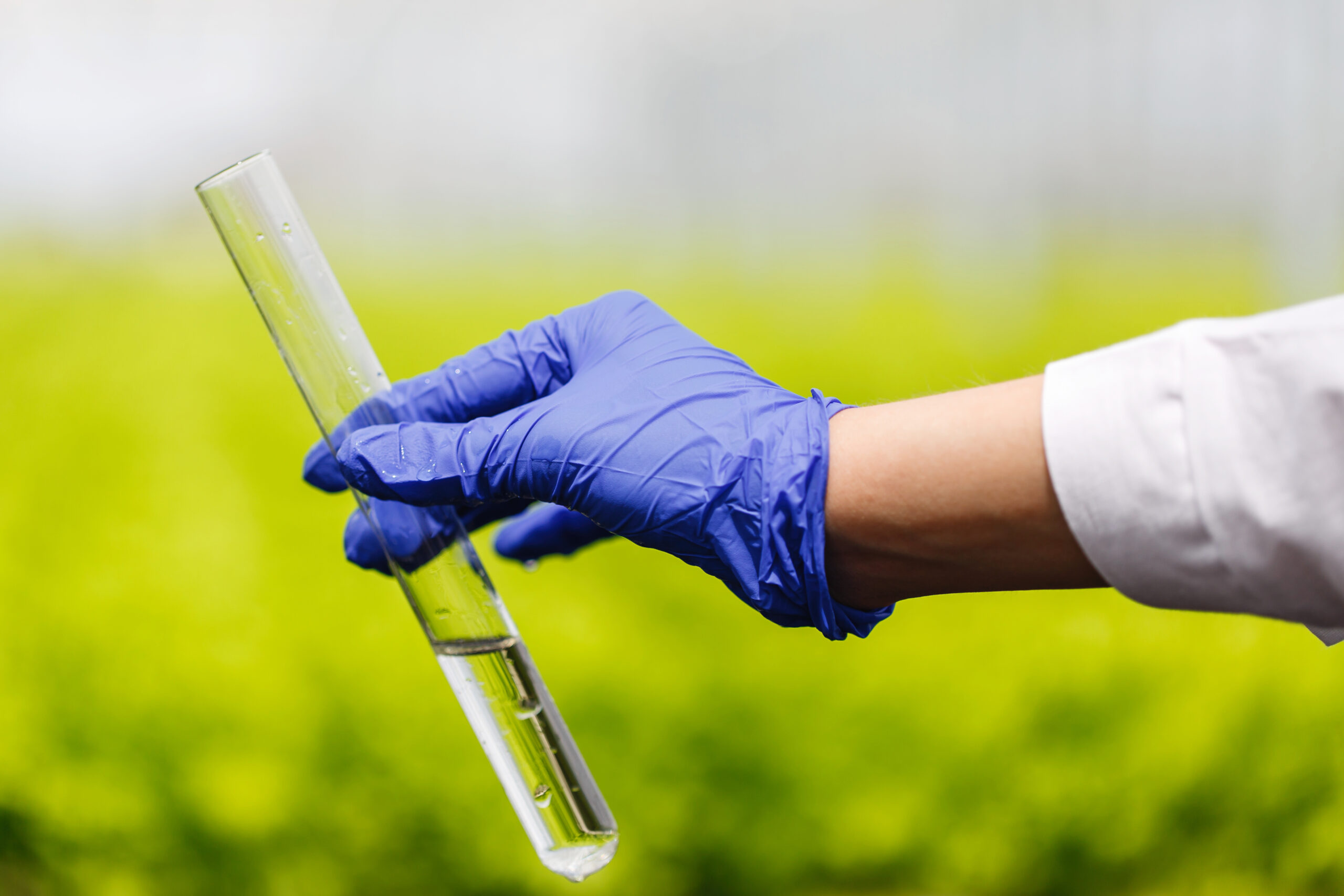
A hand in a blue latex glove holds a glass test tube containing a clear liquid.
The Danger OF Untreated Nitrogen

Nitrogen pollution is one of the most persistent challenges facing wastewater treatment facilities today. Excess nitrogen in treated effluent can trigger algal blooms, deplete oxygen

White and dark chocolate bars scattered on a blue surface with gummy candies, sandwich cookies, and spills of melted white chocolate.
Wastewater In Confectionary Production

Confectionery production is a sugary business, behind every chocolate bar, gummy candy, and caramel chew lies a wastewater stream that’s anything but sweet to manage.