The agricultural sector is the largest consumer of water in South Africa, and recurring droughts have had a devastating impact on farming communities. Crop yields for staple foods such as maize and wheat have declined significantly during dry periods, leading to increased food prices and heightened concerns about food security.
Livestock farmers have also experienced substantial losses. Limited water availability affects both feed production and animal welfare, forcing many farmers to reduce their herd sizes. This decline in agricultural productivity has far-reaching economic consequences, including job losses in rural communities and reduced export revenues.
Furthermore, extreme weather events such as floods and droughts can severely damage critical infrastructure, including roads, bridges, and power lines. These disruptions affect transportation networks and limit access to essential services, placing additional strain on communities and the economy.
Why Choose MEB Energy for Water Solutions?
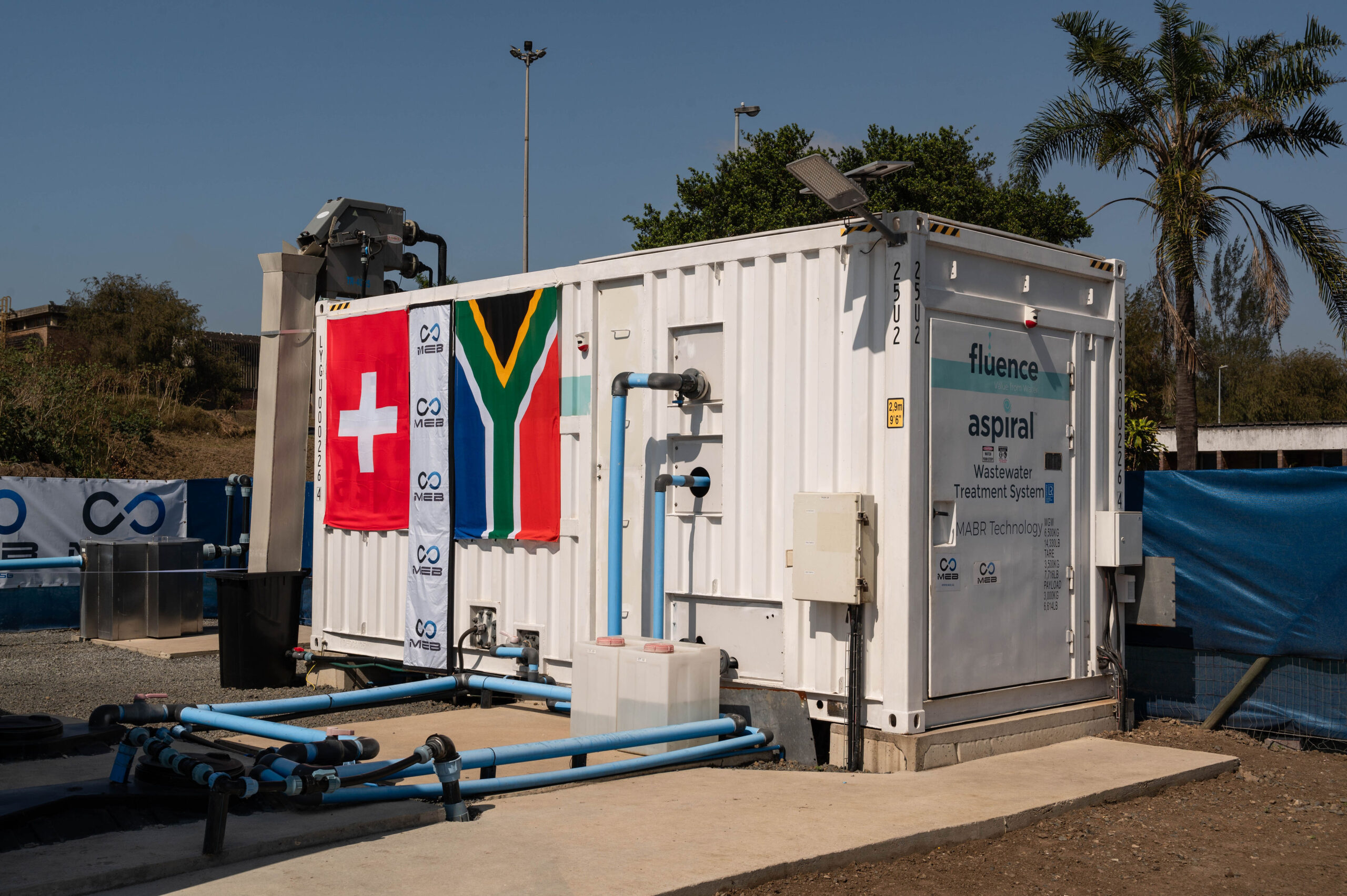
Choosing MEB Energy as your water solutions partner means investing in reliability, expertise, and sustainable water management. With a strong focus on innovation and environmentally responsible technologies, MEB delivers customized solutions designed to address residential, industrial, and agricultural water challenges.
By partnering with MEB clients gain access to advanced systems that optimize water usage, minimize waste, and support long-term resource sustainability. Our commitment to excellence, efficiency, and environmental stewardship has established us as a trusted leader in delivering effective water management solutions tailored to a wide range of needs.