When people picture industrial pollution, toy factories rarely come to mind. Cars, textiles, and electronics tend to dominate that conversation. But the toy industry produces billions of plastics, metals, and painted products each year, and its water-intensive processes leave behind contaminated runoff.
Manufacturers use water throughout toy production: to cool injection-molding equipment, rinse painted surfaces, wash molds, clean factory floors, and process metal components. These activities generate wastewater containing plastic particles, pigments, solvents, oils, detergents, and residues from adhesives or coatings. Facilities that make electronic or battery-powered toys may also produce wastewater laced with acids, metal salts, and other hazardous substances.
This runoff doesn’t just disappear. It flows into treatment plants, rivers, and sometimes directly into the ecosystems surrounding manufacturing hubs. For manufacturers, retailers, and parents who care about the footprint behind the products on store shelves, understanding where this wastewater comes from, what it contains, and how to manage it matters.
Heavy metals that enter rivers and groundwater can contaminate drinking water supplies, particularly in regions where municipal treatment infrastructure is limited or overwhelmed. Aquatic organisms exposed to these metals and dyes can suffer reproductive and developmental harm, which ripples through local food chains. Communities that rely on fishing or agriculture near manufacturing zones often bear the brunt of this impact, facing both health risks and economic disruption.
Microplastics raise a separate but related concern. Once they enter waterways, they’re extremely difficult to remove and can persist for decades, eventually working their way into the food supply through fish and other wildlife.
Our Solutions at MEB
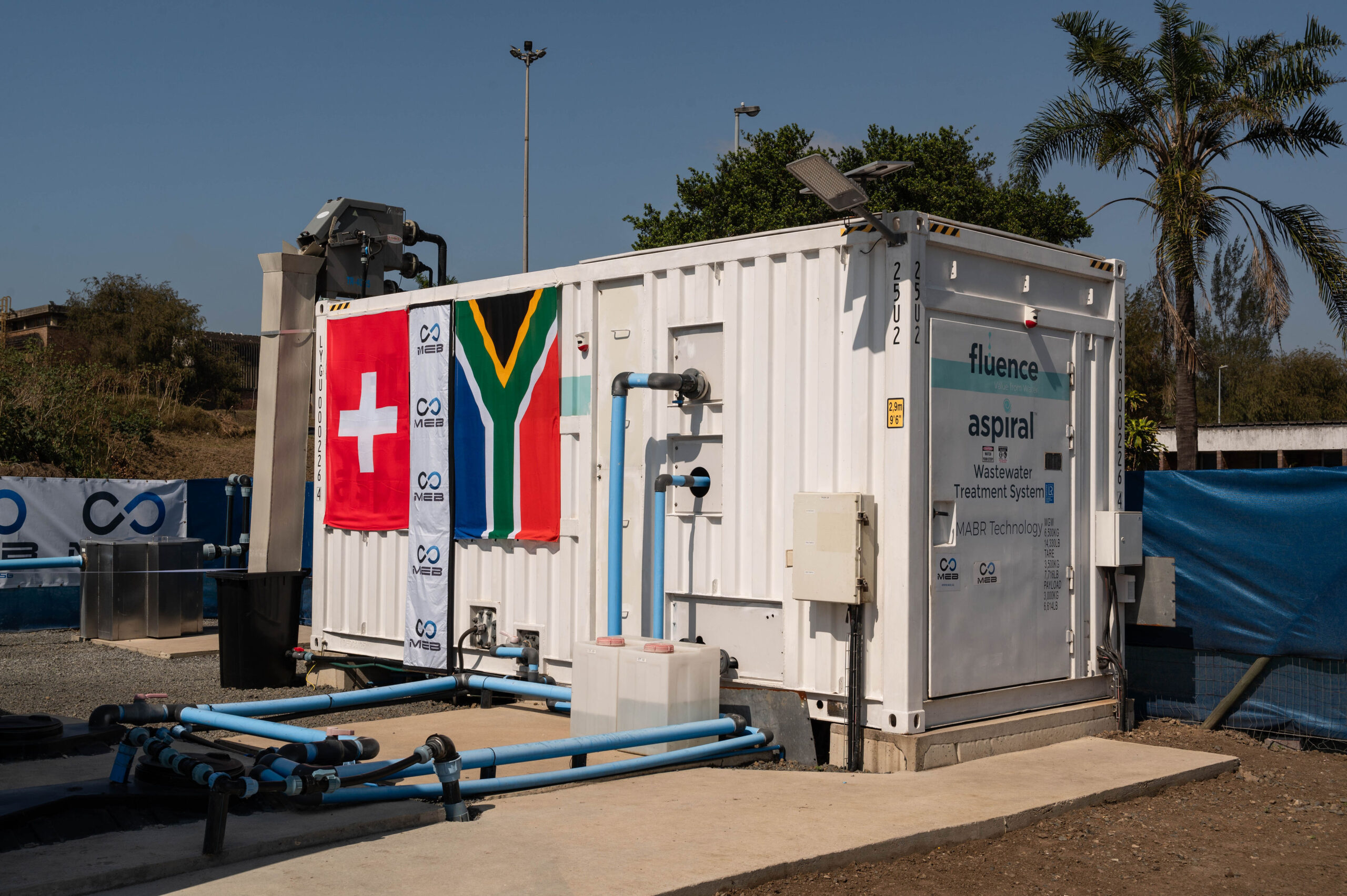
At Meb, we tackle these challenges head-on with innovative wastewater solutions designed to protect both the environment and surrounding communities. Our advanced treatment systems remove harmful contaminants, including toxic metals and microplastics, to ensure cleaner waterways and safer ecosystems. By combining cutting-edge technology with sustainable practices, we help industries shrink their environmental footprint while supporting the long-term health and economic stability of local populations. At Meb, wastewater management isn’t just a process – it’s a commitment to a cleaner, more sustainable future.This approach helps conserve freshwater resources, reduce discharge risks, and create practical opportunities for water recovery across critical operations.