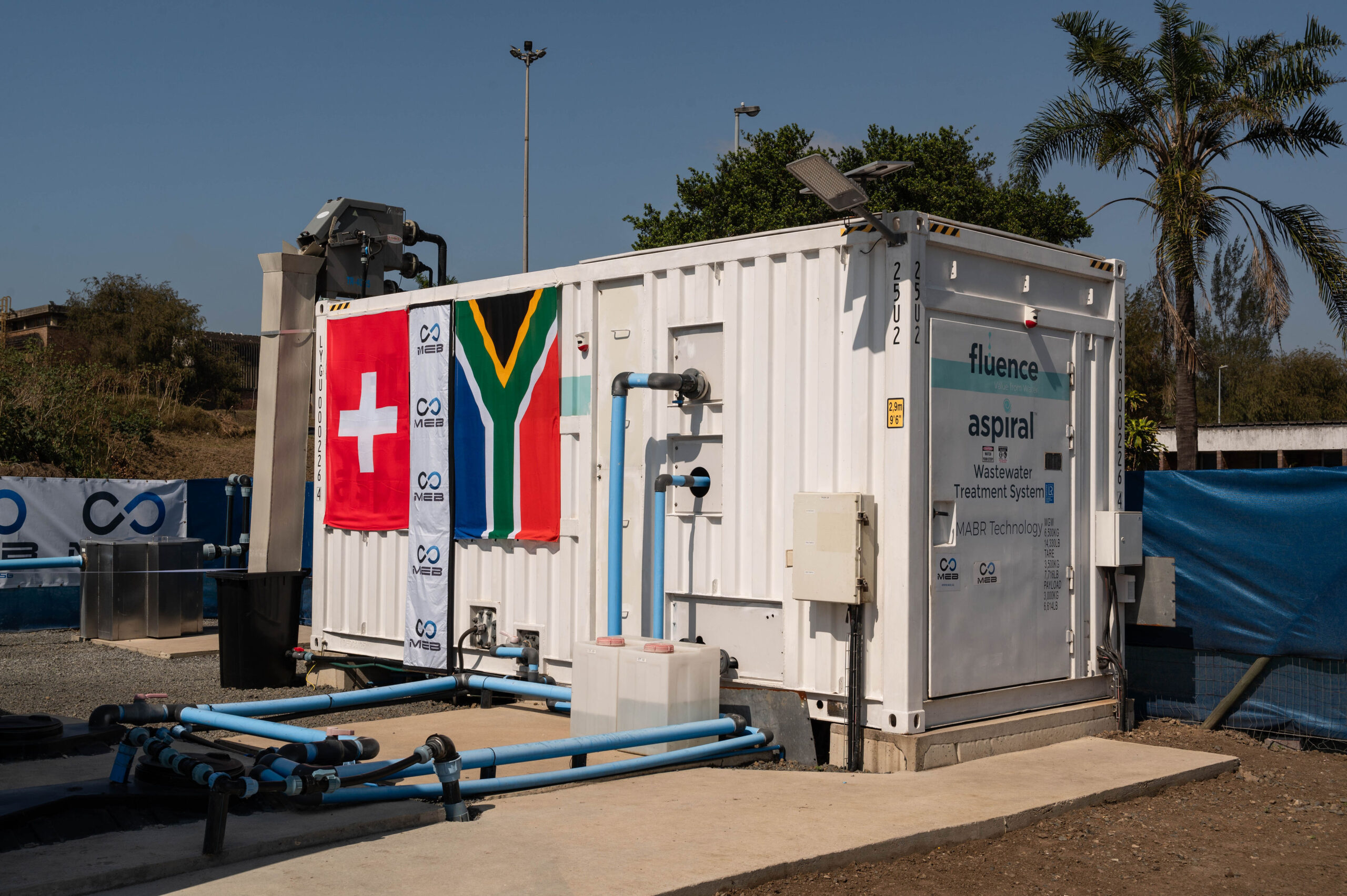
Rice milling ranks among the most water-intensive processes in agricultural production. The soaking, parboiling, and washing stages each generate wastewater loaded with starch, suspended solids, and organic compounds. Left untreated, this effluent can contaminate nearby water bodies, degrade soil quality, and expose mill operators to serious environmental and regulatory risks.
An effective treatment system starts with screening and sedimentation, which remove husk particles, grit, and larger suspended matter. From there, biological processes like anaerobic digestion or aerobic treatment reduce biochemical oxygen demand and break down dissolved organic material. Many facilities can stabilize recovered sludge for composting or other controlled uses.
Advanced effluent treatment systems for rice mills typically combine, biological treatment, and sludge dewatering to remove contaminants before discharge or reuse. Mills can tailor these solutions to their processing capacity, wastewater characteristics, and local compliance requirements.
Consistent treatment performance depends on regular monitoring of pH, BOD, COD, total suspended solids, oil and grease. Automated controls and efficient sludge-handling equipment can lower operating costs while supporting reliable compliance with discharge standards.
Treated water doesn’t have to go to waste. Mills can reuse it for equipment washing, landscaping, or cooling, reducing their dependence on fresh water supplies. By building reliable wastewater management into daily operations, rice mills can improve resource efficiency while protecting the communities and ecosystems around them.
Water scarcity concerns are growing, and regulatory scrutiny across agricultural processing is intensifying. Mills that act now will stay ahead of the curve.
Our Solutions at MEB
At MEB, we understand the unique challenges rice mill owners face in managing effluent responsibly. From initial assessment through installation and ongoing support, at MEB we help you identify the right treatment strategy for your wastewater challenges. Our team evaluates flow rates, contaminant loads, and site-specific requirements to build systems that perform consistently under demanding production conditions. That’s why we design our water treatment solutions around three priorities: efficiency, compliance, and cost-effectiveness. Our systems use advanced processes to remove pollutants before discharge, protecting both the environment and your operational reputation. They are scalable and customizable; our solutions adapt to mills of any size delivering long-term reliability while helping you meet strict industry regulations. Partner with MEB, and you get a structured path toward compliance, efficiency, and lasting sustainability.