Tyre production demands significant resources, and it generates wastewater just as heavily loaded with contaminants. The rubber compounding, curing, and cleaning stages all produce water that can’t simply flow into rivers or municipal systems. Left untreated, it carries oils, Sulphur compounds, zinc, carbon black particles, and other pollutants that threaten aquatic ecosystems and human health alike.
What Contaminants Show Up in Tyre Manufacturing Wastewater?
Tyre wastewater typically contains a mix of the following:
- Oils and greases from lubricants and processing aids
- Suspended solids, including rubber particles and carbon black
- Heavy metals, such as zinc, used as an activator in vulcanization
- Sulfur compounds from the curing process
- Chemical additives, including accelerators and antioxidants
Monitoring matters just as much as treatment itself. Parameters like pH, chemical oxygen demand, biochemical oxygen demand, total suspended solids, zinc, and hydrocarbons can shift with production schedules. Regular sampling and automated controls let facilities respond quickly to these changes while staying compliant with local permits.
If your facility operates in a region with strict environmental regulations or water scarcity concerns, a comprehensive wastewater strategy is worth the investment. In these cases, recycling infrastructure often pays for itself faster than discharge-focused treatment alone.
Our Wastewater Treatment Technologies at MEB
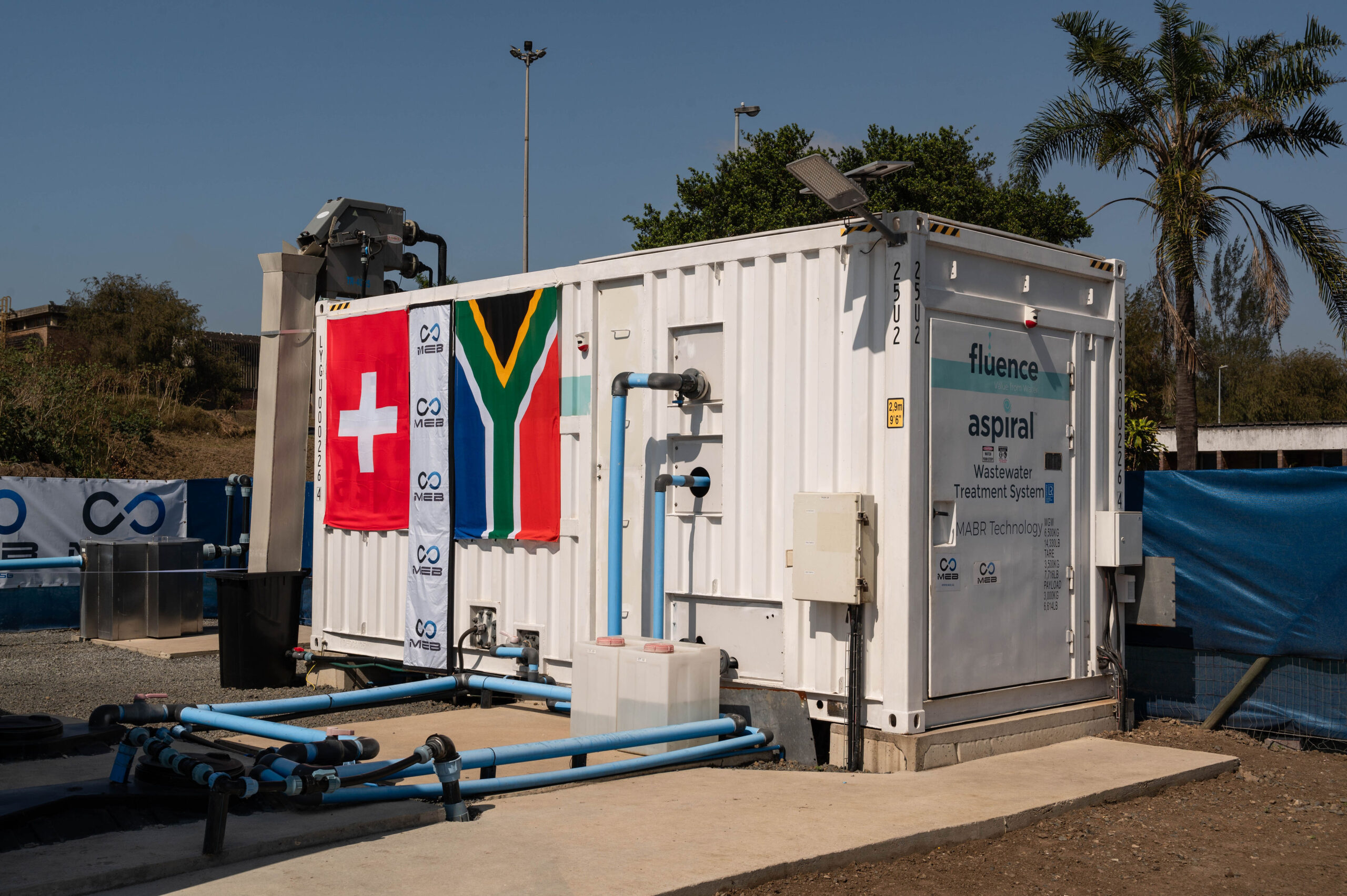
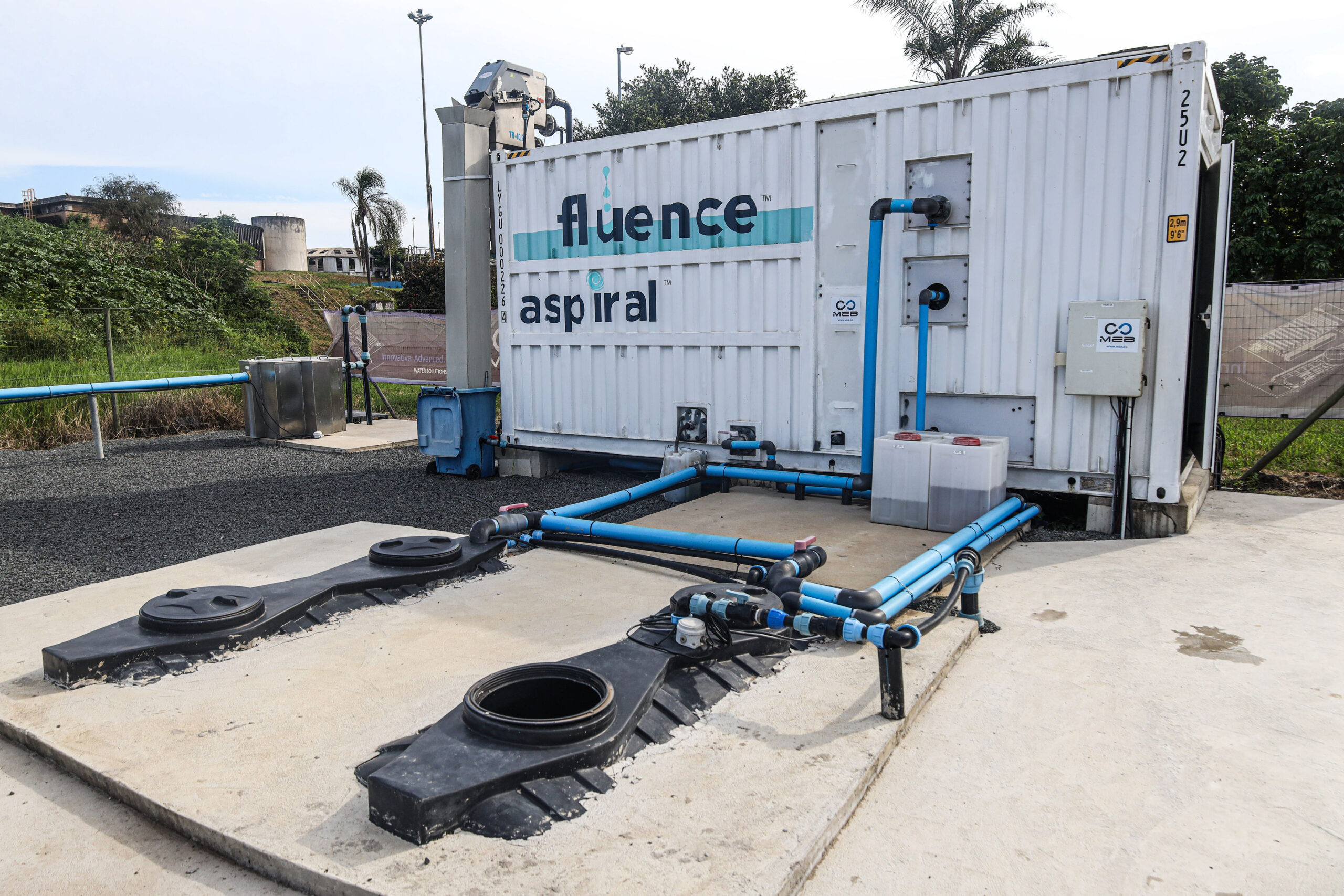
Membrane Aerated Biofilm Reactor (MABR) technology treats industrial wastewater using oxygen-permeable membranes that grow biofilms to break down organic pollutants without the energy costs of conventional aeration. For tyre manufacturers, this means a compact, energy-efficient way to manage wastewater containing rubber residues, oils, and chemical additives, all while supporting compliance with discharge regulations and sustainability goals.
At MEB, we build our approach to wastewater treatment on efficiency, innovation, and environmental responsibility. We tailor every solution to the specific challenges facing tyre manufacturers, removing harmful pollutants effectively while keeping costs in check. Our advanced systems combine mechanical, chemical, and biological processes to consistently meet regulatory standards and shrink the environmental footprint of your operations. By prioritizing water reuse and sustainable management, we help businesses cut water consumption and contribute to a cleaner, healthier planet for generations to come.