A Country Built on Scarce Water
Understanding South African drought problem, what makes the situation more urgent is the rising demand. A growing population, expanding cities, and an agricultural sector that accounts for a significant share of the country’s water use all place mounting pressure on an already stretched system.
Climate Change Is Shifting the Baseline
Historically, droughts in South Africa were cyclical-hard years followed by recovery. That pattern is changing. Rising temperatures are increasing evaporation rates, reducing the amount of rainfall that makes it into dams and rivers. Weather events are becoming less predictable, with some regions experiencing prolonged dry spells and others dealing with intense flooding that runs off rather than recharging groundwater.
The Western Cape’s “Day Zero” crisis in 2017 and 2018 put this in sharp focus. Cape Town came within weeks of running out of water-a reality that would have made it the first major city in the modern era to do so. While aggressive water restrictions eventually pulled the city back from the brink, the episode revealed just how vulnerable South Africa’s water systems are.
The Agricultural Toll
Farming bears the heaviest cost of drought. South Africa’s agricultural sector employs hundreds of thousands of people and feeds millions more. When droughts hit, crop yields fall, livestock die, and farmers face financial ruin. In many rural communities, subsistence farming is the primary source of food and income-making a failed season a genuine humanitarian crisis.
The ripple effects extend well beyond the farm gate. Food prices rise. Supply chains tighten. Rural communities that depend on agricultural employment see incomes collapse. Drought, in other words, isn’t just a water problem-t’s an economic and social one.
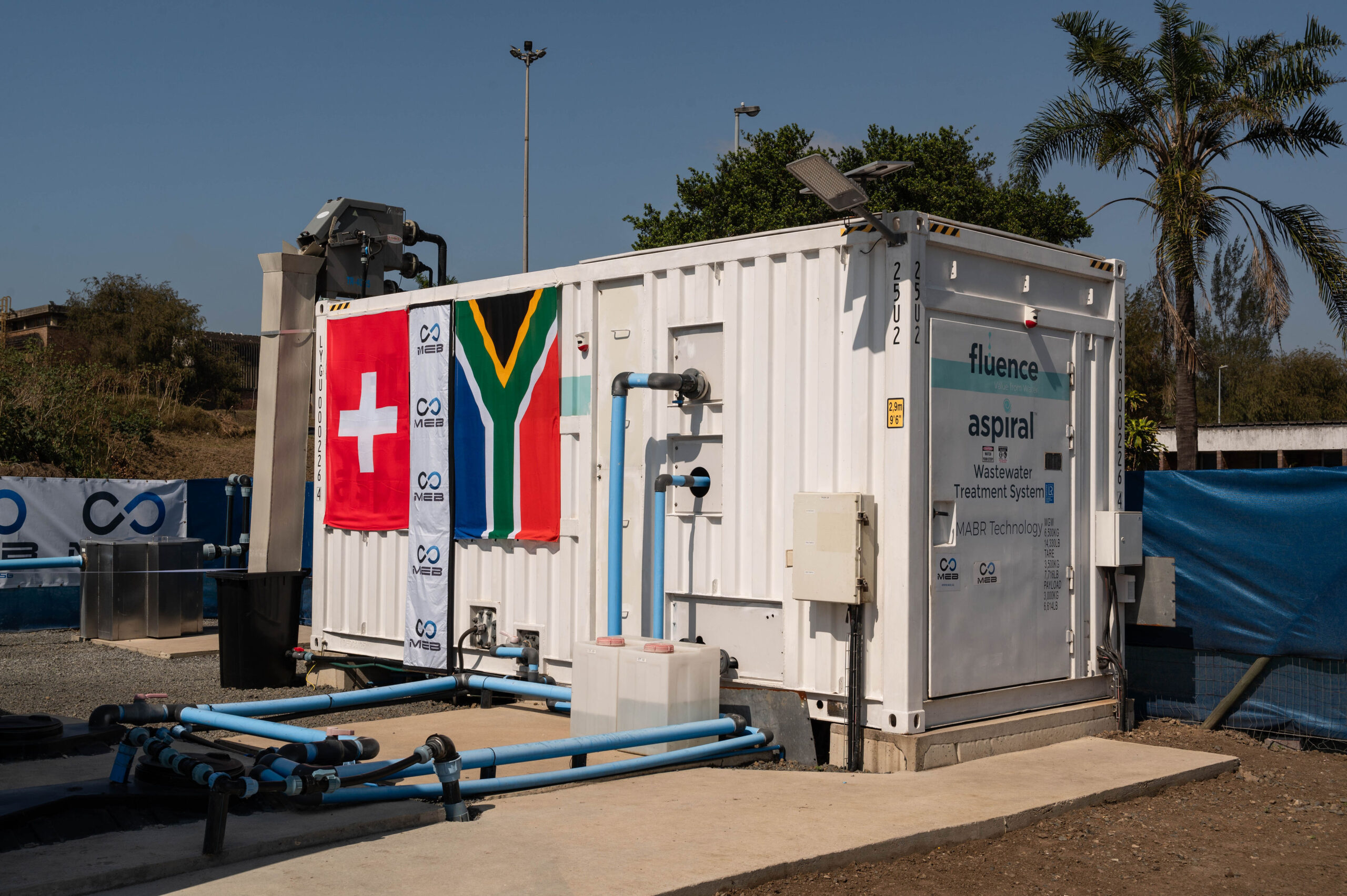
MEB specializes in practical water solutions for South African conditions. The goal is straightforward: reduce your dependence on municipal supply, capture and store water efficiently, and make sure you have access to clean water when you need it most.