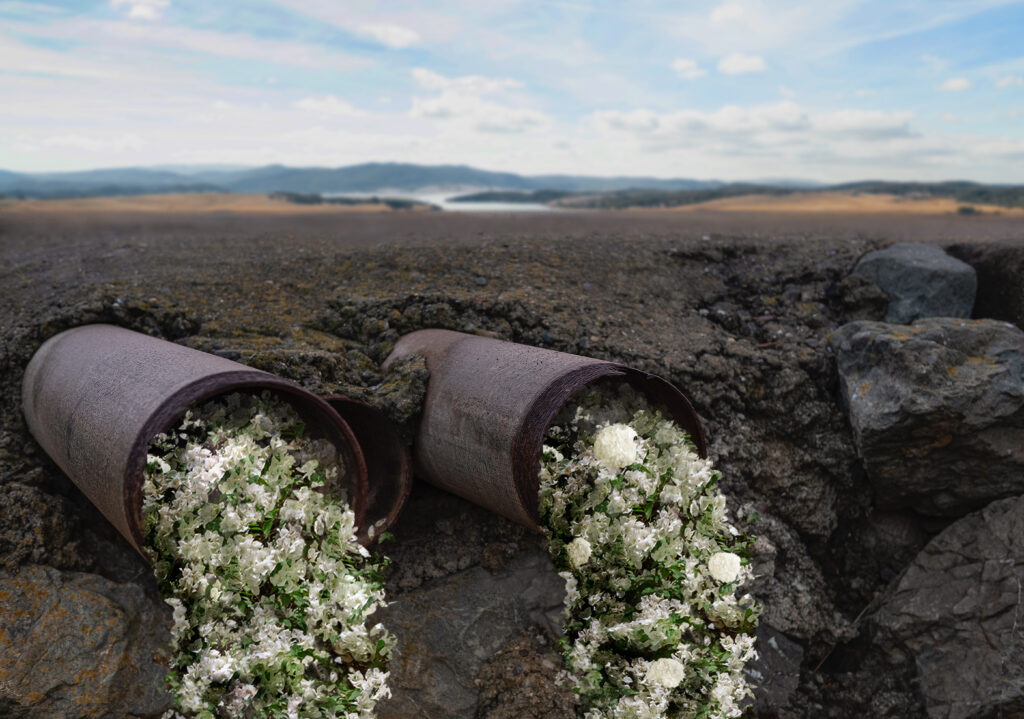
Unlocking investments in wastewater infrastructure, aging infrastructure increasing environmental regulations, and rising water quality challenges have created a pressing global need for advanced wastewater treatment solutions. Modern systems are advancing beyond traditional methods of organic carbon removal to target harmful nutrients while recovering valuable resources from wastewater. Removing nutrients like carbon, nitrogen, and phosphorus is crucial to protecting the environment. However, conventional industry practices rely heavily on energy-intensive, chemical-heavy, and costly processes. With rapid urbanization and a growing global population, these methods are becoming increasingly unsustainable.
To transition toward more sustainable, circular-economy-focused wastewater treatment solutions, two key strategies can lead the way:
-
Innovating Energy-Efficient Anaerobic Wastewater Treatment Systems
The development of advanced anaerobic wastewater treatment systems is pivotal. These systems prioritize energy efficiency and resource conservation, enhancing treatment effectiveness while significantly reducing environmental impact. By innovating in this area, the industry can move toward sustainable solutions with a smaller environmental footprint.
-
Enhancing Carbon Capture for Energy Recovery
Optimized carbon capture techniques offer a dual benefit—reducing carbon emissions while transforming captured carbon into a valuable energy source. By integrating these methods into wastewater treatment, we can promote environmental sustainability and unlock the potential energy embedded within wastewater.
Flexibility. Service. Progress. MEB
At MEB, our approach is built on flexibility, efficient service delivery, and affordability. We believe that innovation has the power to uplift communities and create access to sustainable, clean water across the globe. Our mission goes beyond implementing advanced technologies—we empower individuals, businesses, and communities with the knowledge and tools they need to manage their water-related challenges effectively.
What makes MEB stand out is our dedication to combining cutting-edge technology with practical education, helping communities take control of their water needs. By fostering this collaboration, we position ourselves as leaders in sustainability and progress within the wastewater treatment sector.
Join us in rethinking wastewater solutions for a sustainable future. Learn more here!