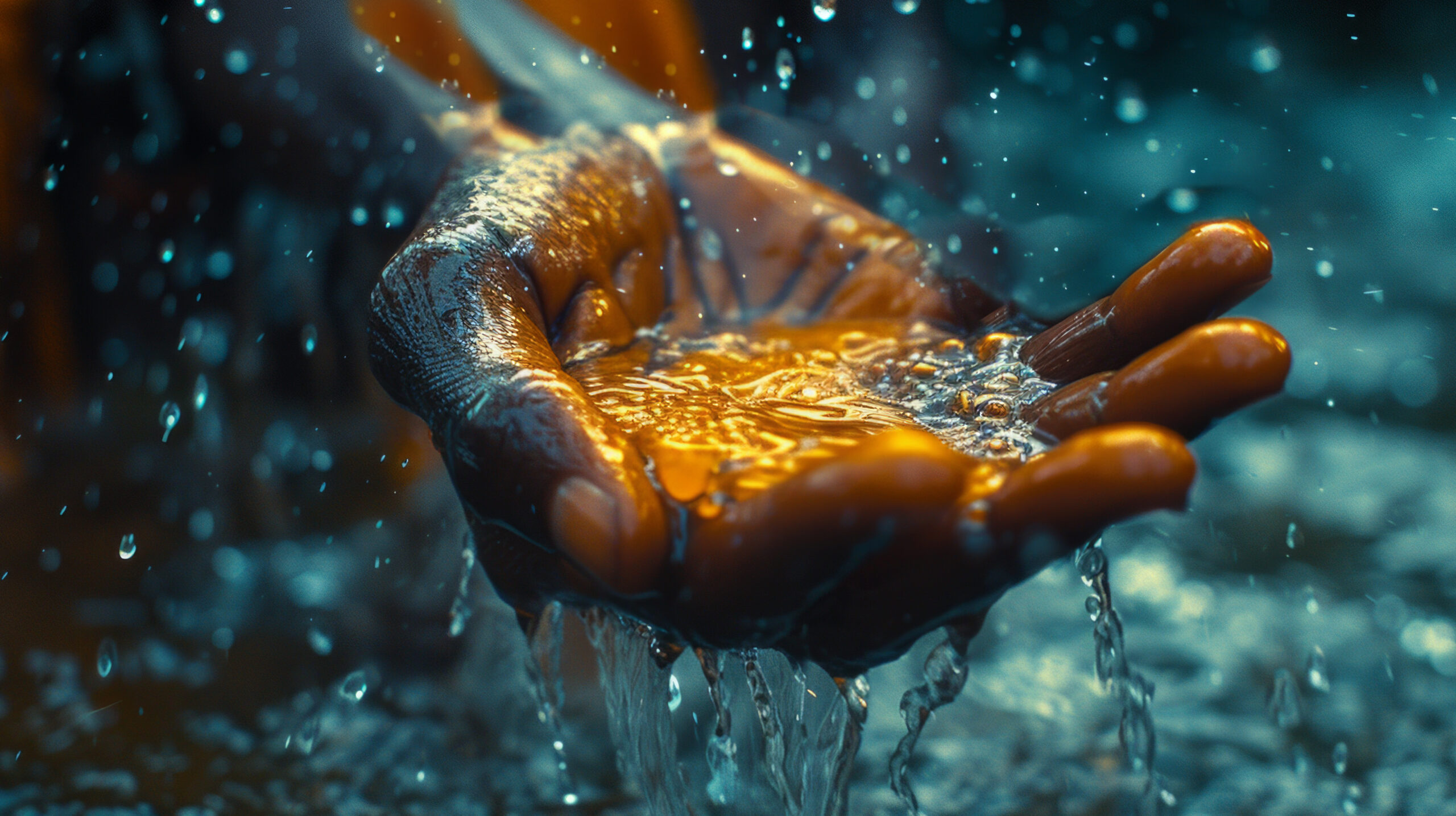
The Impact of Fossil Fuels on South Africa’s Climate, the combustion of fossil fuels is the primary driver of climate change in South Africa. The era of coal dominance has passed, and it is crucial to halt fossil fuel extraction and keep these resources in the ground. According to the Intergovernmental Panel on Climate Change (IPCC), emissions from fossil fuels are the leading cause of global warming.
Effects on Water, Land, and Communities
Fossil fuels cause extensive damage to various aspects of the environment. Oil extraction and transportation can lead to irreversible spills, devastating ecosystems, and contaminating drinking water sources, with severe consequences for biodiversity and local communities.
Coal mining and fracking create toxic waste, which further pollutes water bodies and endangers the health of nearby populations. Fossil fuel combustion also results in air pollution, contributing to approximately 1.2 million deaths in 2020. Processes like flaring release harmful pollutants, impacting the health of workers and nearby residents.
The production of plastics from fossil fuels, known as petrochemicals, poses additional threats, particularly to marginalized and low-income communities. These groups face increased health risks, including respiratory issues, pregnancy complications, cardiovascular diseases, and certain cancers due to exposure to petrochemical pollutants.
Given these challenges, transitioning to alternative energy sources such as solar, wind, and hydropower is imperative. These renewable energy solutions not only alleviate pressure on existing power systems but also offer eco-friendly and cost-effective alternatives.
MEB is at the forefront of providing clean energy solutions and is dedicated to producing renewable and sustainable energy for various applications. By adopting renewable technologies, South Africa can build a cleaner, healthier, and more sustainable future for everyone.
Connect with one of our engineers to learn more about our offerings and technological innovations.