
The future of desalination in South Africa, water scarcity is a critical threat to South Africa. MEB Energy is tackling this challenge by uniting innovators from the energy and desalination industries with water utilities, government bodies, and financial institutions. Our goal is to provide clean drinking water and energy, reduce CO2 emissions from existing water infrastructure, and scale up clean desalination technologies through coordinated efforts.
How do we deliver leading turnkey solutions despite South Africa’s ongoing blackouts and water cuts?
- Market Analysis: We map and analyze potential markets for clean energy-powered desalination.
- Energy Efficiency: We implement solutions designed for maximum energy efficiency.
- Integrated Monitoring: We use integrated, real-time monitoring to ensure optimal performance.
- Innovation and Development: We are committed to continuous innovation, development, and demonstration of new technologies.
- Skills Transfer: We focus on education, training, and transferring skills to local communities.
We specialize in reducing the life cycle cost of desalination, optimizing the production of thousands of cubic meters of water. Our design process considers all capital expenditures (CAPEX), including debt servicing, and operational expenditures (OPEX), adjusted for plant operating factors and parameters.
Our new, cost-efficient, and environmentally friendly desalination methods use up to 80% less energy than traditional systems. By reducing the demand on conventional water supplies, you can be confident that you are in the hands of specialists pioneering the conservation of our precious water resources for both domestic and industrial use.
MEB Energy connects the most ambitious innovators in the water sector to deliver solutions that provide access to clean water and sanitation for all. In partnership with leading local companies, we leverage the benefits of innovative and sustainable water technology.
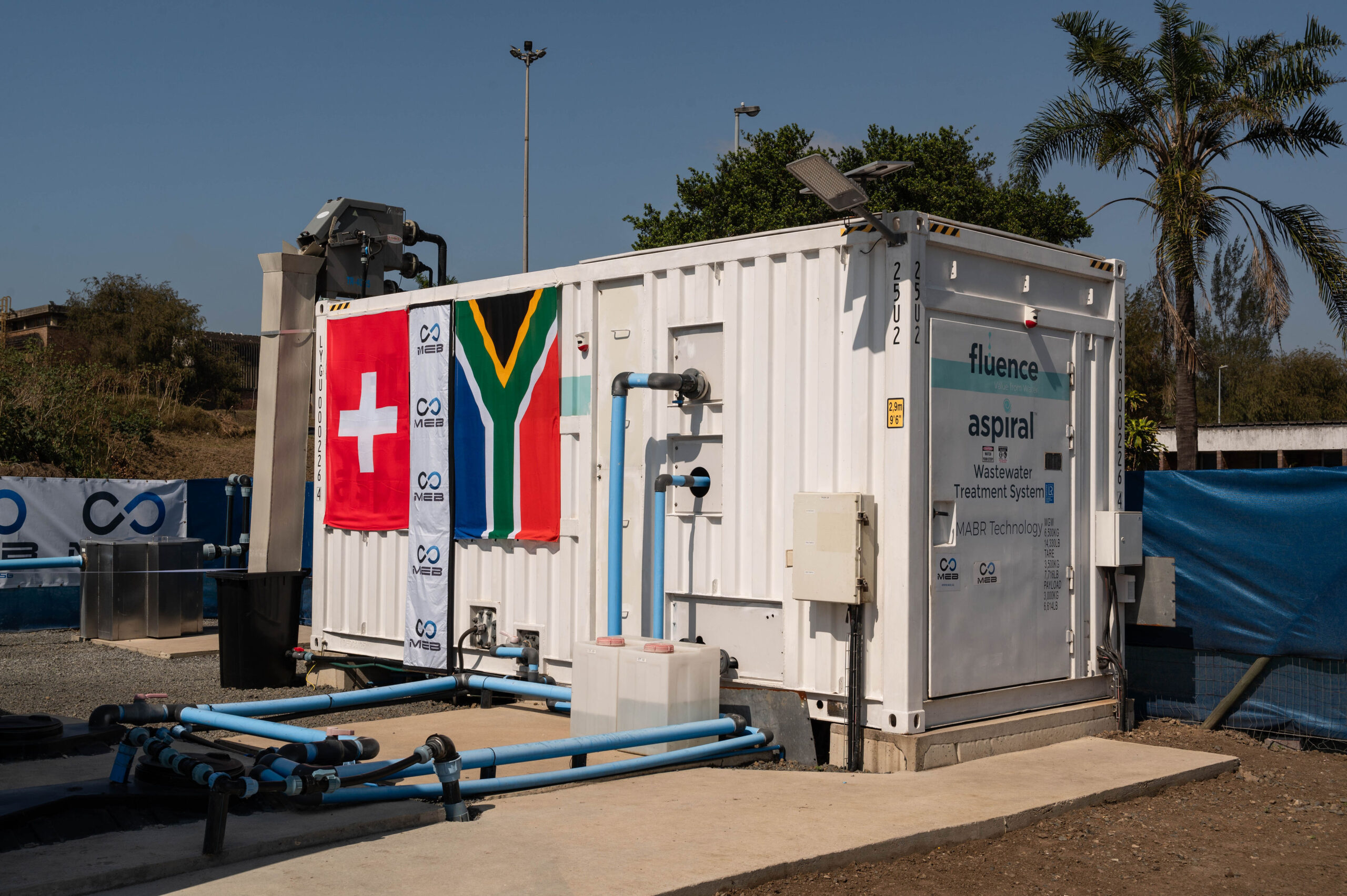
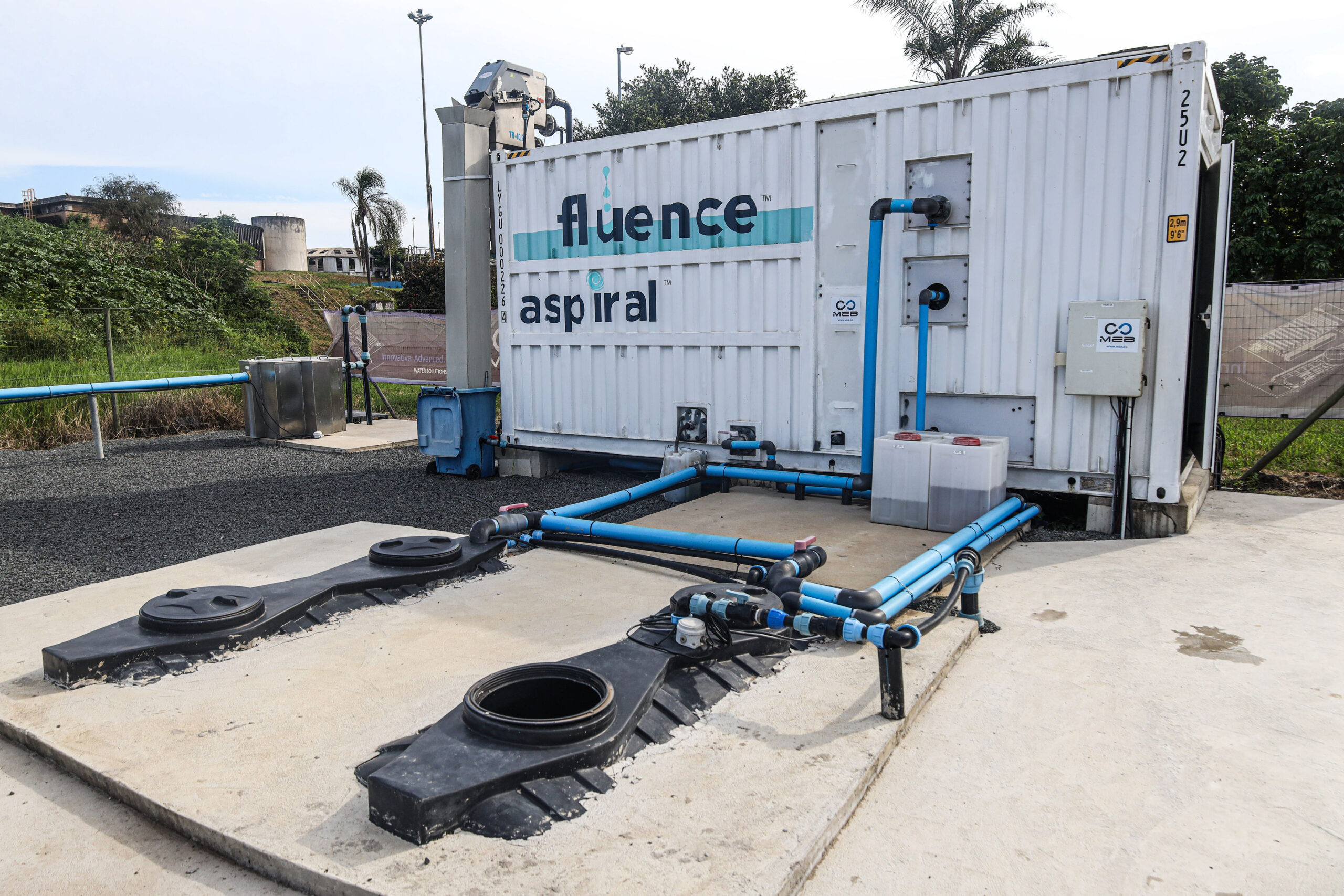
Haven’t heard about the revolutionary NIROBOX™ family of solutions? It’s time to move away from inefficient, energy-intensive treatment units and embrace the future of water desalination. NIROBOX™ units can treat seawater, brackish water, and freshwater for drinking, irrigation, and aquifer recharge-all from within a standard 40-foot shipping container.
Contact us to learn more.