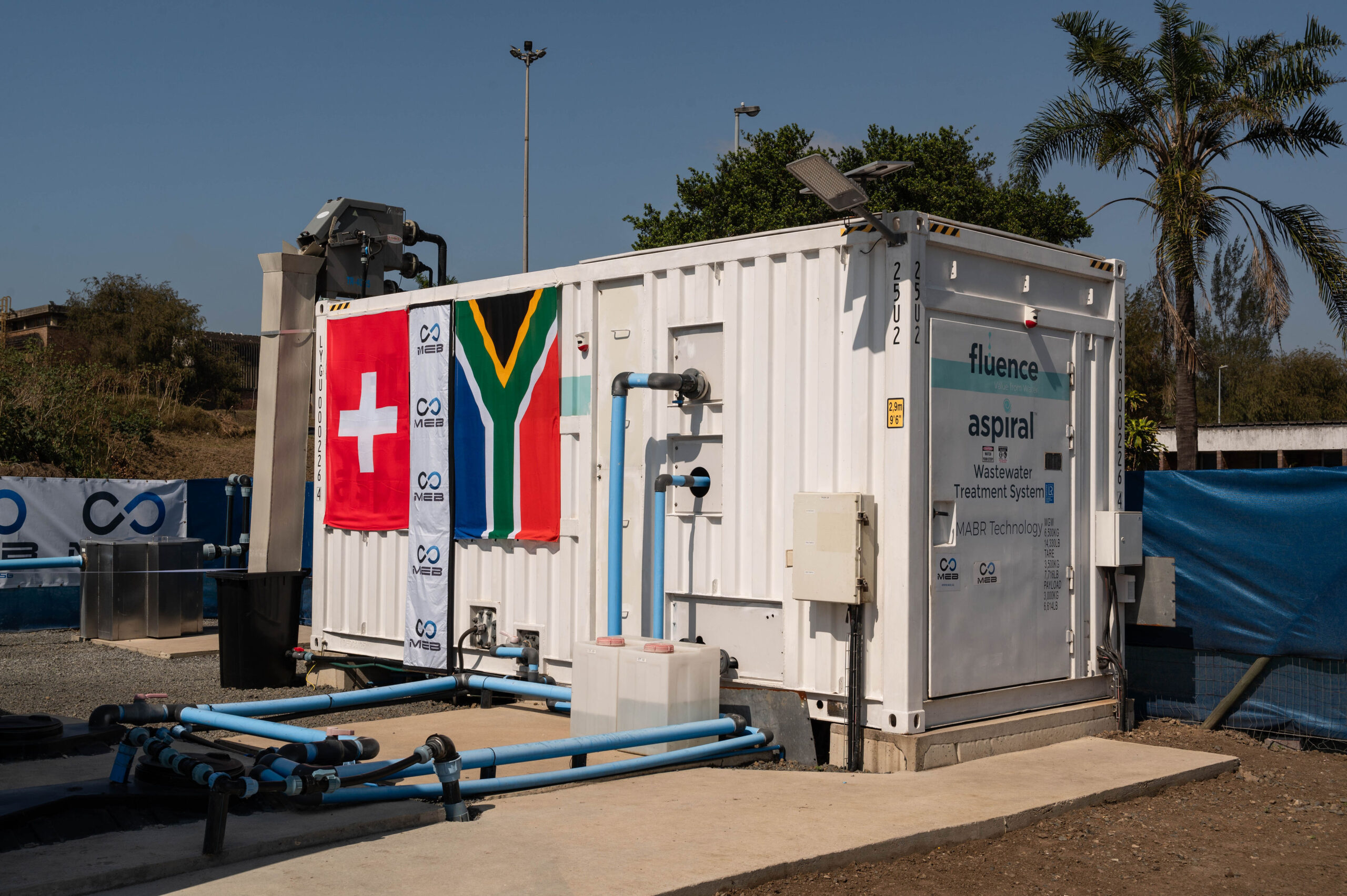
Reusing wastewater for a sustainable future, the United Nations’ Sustainable Development Goal 6 (SDG-6) aims to halve the proportion of untreated wastewater by 2030 and sustainably increase water resilience. Water reuse-also known as water recycling or reclamation-is a key part of this strategy. It involves treating water from various sources and reusing it for beneficial purposes, such as:
- Agriculture and irrigation
- Replenishing aquifers
- Industrial processes
- Environmental restoration
The Challenge in South Africa
In many parts of South Africa, decaying wastewater and sewage treatment infrastructure is a major source of pollution, posing significant risks to both the environment and public health. Some municipalities are struggling to manage wastewater effectively and respond to disasters, highlighting the urgent need for better solutions.
Innovative Solutions for Industries
A wide range of industries can benefit from water reuse, including mining, power generation, agriculture, commercial laundries, and breweries.
At MEB, we provide advanced, decentralized wastewater treatment solutions that reduce contaminants directly at the source. This approach offers several advantages for businesses:
- Cost Savings: By sharing treatment facilities, businesses can lower capital costs, making water reuse a more economical option. Transporting water is expensive and energy-intensive; our on-site solutions eliminate this need.
- Reduced Environmental Impact: Reusing wastewater lowers the demand and pressure on precious freshwater resources.
Partner with Us for a Greener Tomorrow
We have a proven track record of helping clients reduce their environmental footprint. Our decentralized wastewater reuse solutions are ideal for various commercial and domestic applications.
By recycling and reusing wastewater, we can take an economical path toward meeting our Sustainable Development Goals and securing our nation’s water supply.