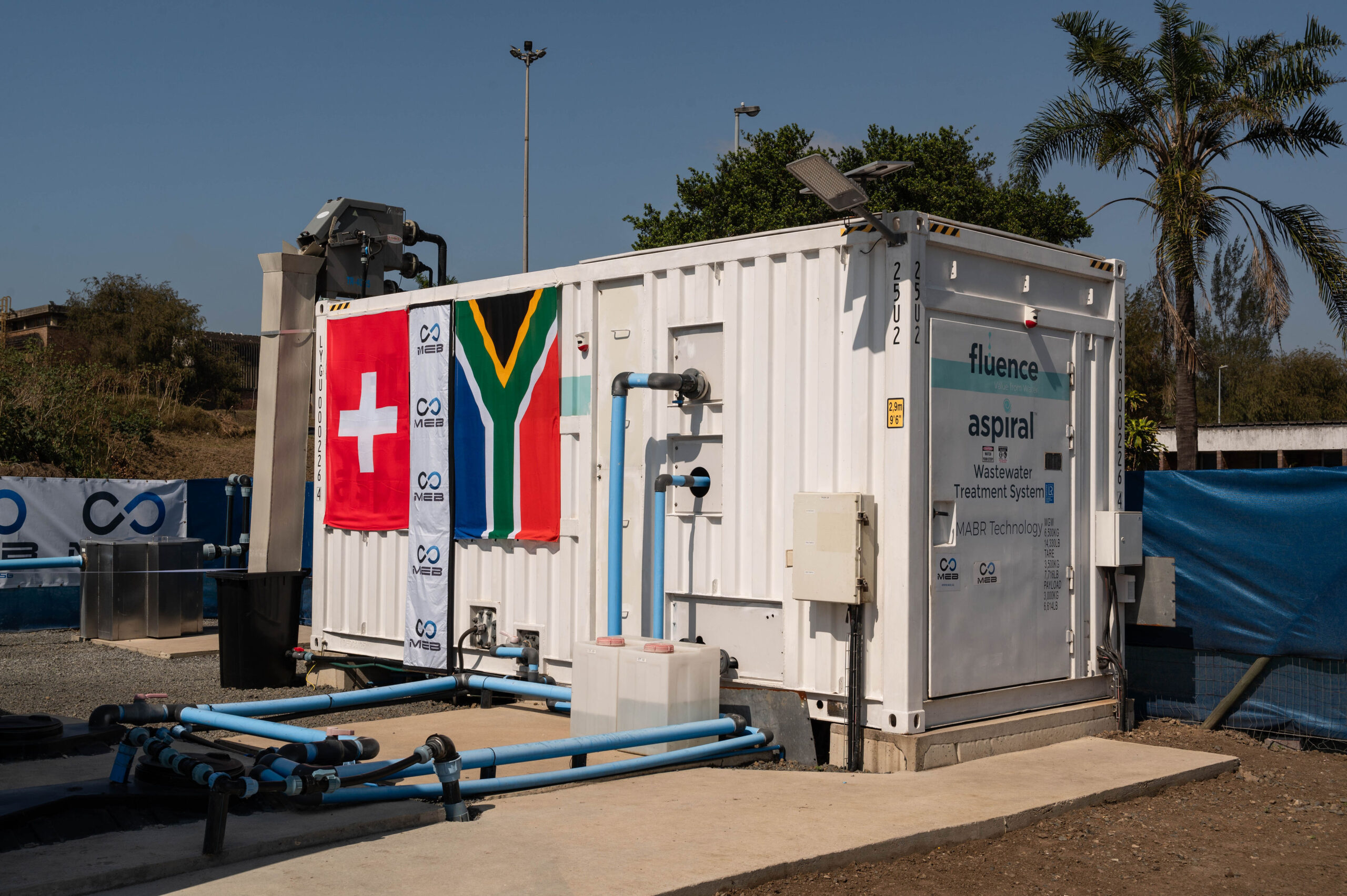
MABR technology innovative efficient impactful, ammonia in water is more than just a contaminant—it’s a serious threat to both human health and the environment. Prolonged exposure to high concentrations of ammonia (particularly as un-ionized ammonia or ammonium ions) can result in significant harm, including coughing, chest discomfort, wheezing, and other respiratory issues. It is also a critical contributor to environmental pollution, often introduced into water systems through municipal, agricultural, and industrial sources.
The Challenge of Nitrogen Removal
For water service providers, ammonium ions in effluent streams present an ongoing operational challenge. Achieving effective nitrogen removal typically involves aerobic nitrification and anoxic denitrification—two processes that have traditionally required separate zones in conventional biological wastewater treatment facilities. The presence of pathogenic microorganisms during treatment further complicates efforts, emphasizing the importance of advanced and reliable solutions.
A Revolutionary Solution
The Membrane Aerated Biofilm Reactor (MABR) offers a game-changing approach to wastewater treatment. By combining aerobically driven nitrification and anoxic denitrification in a single system, MABR achieves exceptional nitrogen removal while meeting strict effluent total nitrogen (TN) requirements. This innovation not only simplifies the process but also improves efficiency, setting a new standard in wastewater treatment technology.
Why MABR?
With over a decade of research and more than 200 successful commercial projects worldwide, MABR has established itself as the leading wastewater treatment technology of the 2020s. Here’s what makes it unique:
- Unparalleled Efficiency: MABR technology enables simultaneous nitrification and denitrification, making it ideal for small- and medium-sized wastewater projects.
- Flexibility: It’s a comprehensive solution suitable for both new installations and system upgrades.
- Rapid Deployment: Our systems are designed for quick implementation to reduce the presence of nitrifying pathogens immediately.
- Proven Technology: The spiral-wound membrane maximizes biofilm growth and nitrogen removal, delivering reliable, high-performance results.
A Better Tomorrow, One Drop at a Time
For years, MABR has been at the forefront of addressing domestic wastewater treatment needs across the globe. From helping communities combat the effects of climate change and drought to mitigating infrastructure failures and pollution, MABR technology continues to make a tangible impact.
Take the Next Step
Want to learn how MABR can transform your wastewater treatment processes? Chat with one of our experienced experts at MEB Energy today to explore how our cutting-edge technology can meet your specific needs.