

Please ensure Javascript is enabled for purposes of website accessibility

Decontaminating Fish Processing Industries

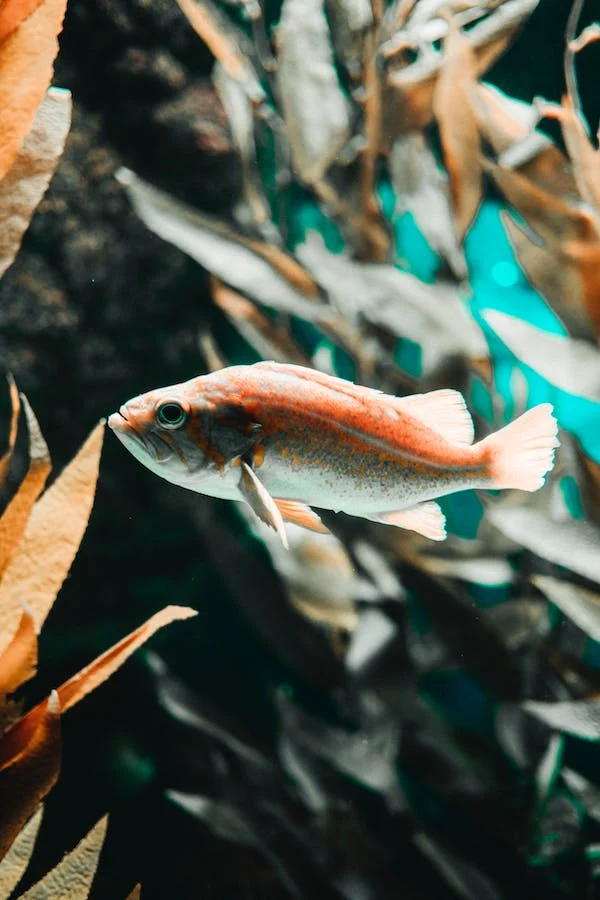
A fish from the sustainable industry glides among brown aquatic plants in clear water, showcasing the natural beauty of its habitat.

Table of Contents

Fish products require a multi-stage process to treat the wastewater. Many industries are struggling with high salt concentrations in their wastewater and the releasing of optimally treated effluent.

MEB designs units for all treatment needs, including fish processing, worldwide. The fish processing industry uses municipal water for factory operations, primary and secondary fish processing, drinking, making of ice and fresh water supply to vessels.

Water Decontamination at a glance

Water decontamination includes all those methodologies and strategies that make it possible to purify water that shows signs of different types of contamination, with the aim of turning it into a usable resource for different uses. Thus, water decontamination systems are essential for the optimal and effective reclamation of an increasingly scarce resource and to combat the dangers associated with inefficient systems.

The most important part of fish processing operations is the fish being made ready for distribution and the operations in the factory. The Fishing industry wastewater is very toxic. The amount of pollution in wastewater depends on the various parameters, however.

The wastewater of the fishing industries can be divided into three areas, displaying different levels of contamination. Depending on the level of contamination different treatment options are to be adopted. It’s known that the most polluted byproduct is the wastewater derived from the fish industry.

We are specialists in the design and implementation of low OPEX, robust plug and play modular solutions for wastewater derived from fish processing operations. Our technical team is ready to plan your next project – give us a call today!

Share:

Case Study

A revolutionary approach to water supply

To cope with a crippling and prolonged drought crisis, MEB installed a containerized desalination plant at Richards Bay, South Africa. The project was completed in just seven months. The containers were easily transported to the designated location.1

More Posts

Related Posts
A row of industrial containers with pipes and blue plastic bins outside, located on a paved area under a clear sky—taking the next step toward sustainable water solutions.
Where is Nirobox™ Making an Impact

Thanks to its compact footprint, rapid deployment capabilities, and high efficiency, Fluence Nirobox™ desalination systems are making a significant impact across a wide range of

A white industrial container labeled "Fluence Aspiral" with pipes, ladders, and safety signs stands outdoors on a concrete base under a cloudy sky, Securing Our Most Vital Resource for the future.
Sustainable wastewater management

As populations expand and industrial development accelerates, the demand for clean water continues to climb. Efficient wastewater treatment is no longer just an environmental goal-it

A close-up illustration of water with bubbles rising to the surface against a white background.
Modern wastewater treatment

Facilities encounter multiple roadblocks when processing wastewater. Influent water often contains varying levels of heavy metals, organic compounds, and suspended solids. Treating these diverse contaminants