Cape Town’s near-miss with “Day Zero” offers a powerful case study for water-stressed cities worldwide and there are many. The World Resources Institute reports that 17 countries currently face extremely high levels of water stress.
Key Lessons from Cape Town
Diversify water sources before a crisis hit
Cape Town’s heavy reliance on surface water left the city particularly vulnerable during prolonged drought. Cities that invest in alternative sources like desalination, aquifer recharge, water reuse, and recycling systems before disaster strikes are far better positioned to withstand future shocks.
Data transparency drives behavioral change
Publishing real-time water consumption data at the neighborhood level transformed conservation from a government mandate into a community-wide responsibility. When residents can see exactly how much water they’re using, they’re more likely to adopt sustainable habits.
Plan for climate variability, not historical averages
Infrastructure built around historical rainfall patterns may no longer hold up in an era of climate uncertainty. Effective water planning must account for future climate projections and shifting weather patterns to ensure long-term resilience.
Prioritize inclusive solutions for vulnerable communities
During the crisis, residents of informal settlements faced disproportionate challenges accessing water. Any sustainable resilience strategy must serve all communities especially those with limited access to formal water infrastructure.
Our Water Solutions at MEB
At MEB, we deliver sustainable, innovative, and future-focused water solutions that help communities adapt to a changing climate and growing water demands.
We combine advanced technology, data-driven planning, and deep knowledge of local conditions to build solutions that are both resilient and equitable. From strengthening infrastructure against shifting rainfall patterns to designing inclusive systems for underserved communities, we craft water strategies built for long-term sustainability.
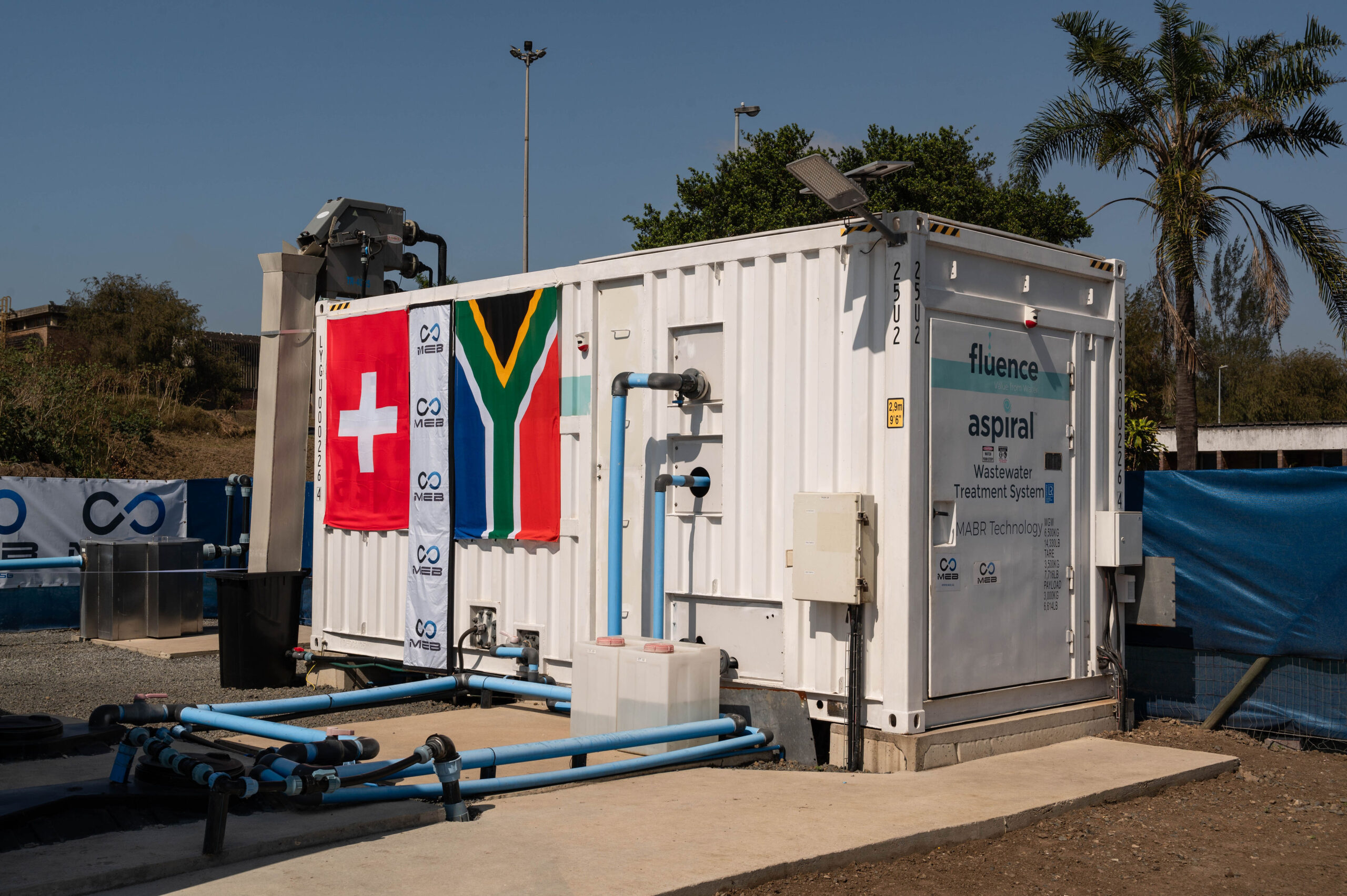
Our portfolio spans from advanced Desalination and MABR technology, smart water management solutions, and integrated conservation strategies helping businesses, municipalities, and communities secure reliable access to water.
At MEB, we don’t just respond to water challenges. We build toward a future where water security is strengthened, resilience is enhanced, and every drop counts.