Water is the foundation of human life, agriculture, and global industry. Yet, billions of people currently lack access to safe drinking water and basic sanitation services. The root of this widespread problem rarely lies in a physical shortage of water. When the systems, laws, and institutions responsible for managing our most precious resource fail, the consequences devastate communities and stunt economic growth.
Understanding how water is managed is the first step toward fixing a broken system. This post will explain the mechanics of water governance, highlight the severe impacts of its failure, and explore actionable solutions to build a more sustainable and equitable water future.
What Exactly is Water Governance?
Water governance refers to the political, social, economic, and administrative systems in place that influence water’s use and management. It determines who gets water, when they get it, and how much they receive.
The Systems Behind the Tap
Getting clean water to a household requires a massive, coordinated effort. It involves infrastructure planning, budget allocation, environmental protection, and routine maintenance. Governance is the overarching framework that dictates how these moving parts interact. Good governance ensures that water is distributed fairly, priced affordably, and protected from pollution.
The Role of Policy and People
Effective management relies heavily on strong policies and the people who enforce them. This includes government agencies, private utility companies, and local community boards. When these groups collaborate transparently, water systems thrive. When corruption, incompetence, or lack of funding enter the picture, the entire framework collapses.
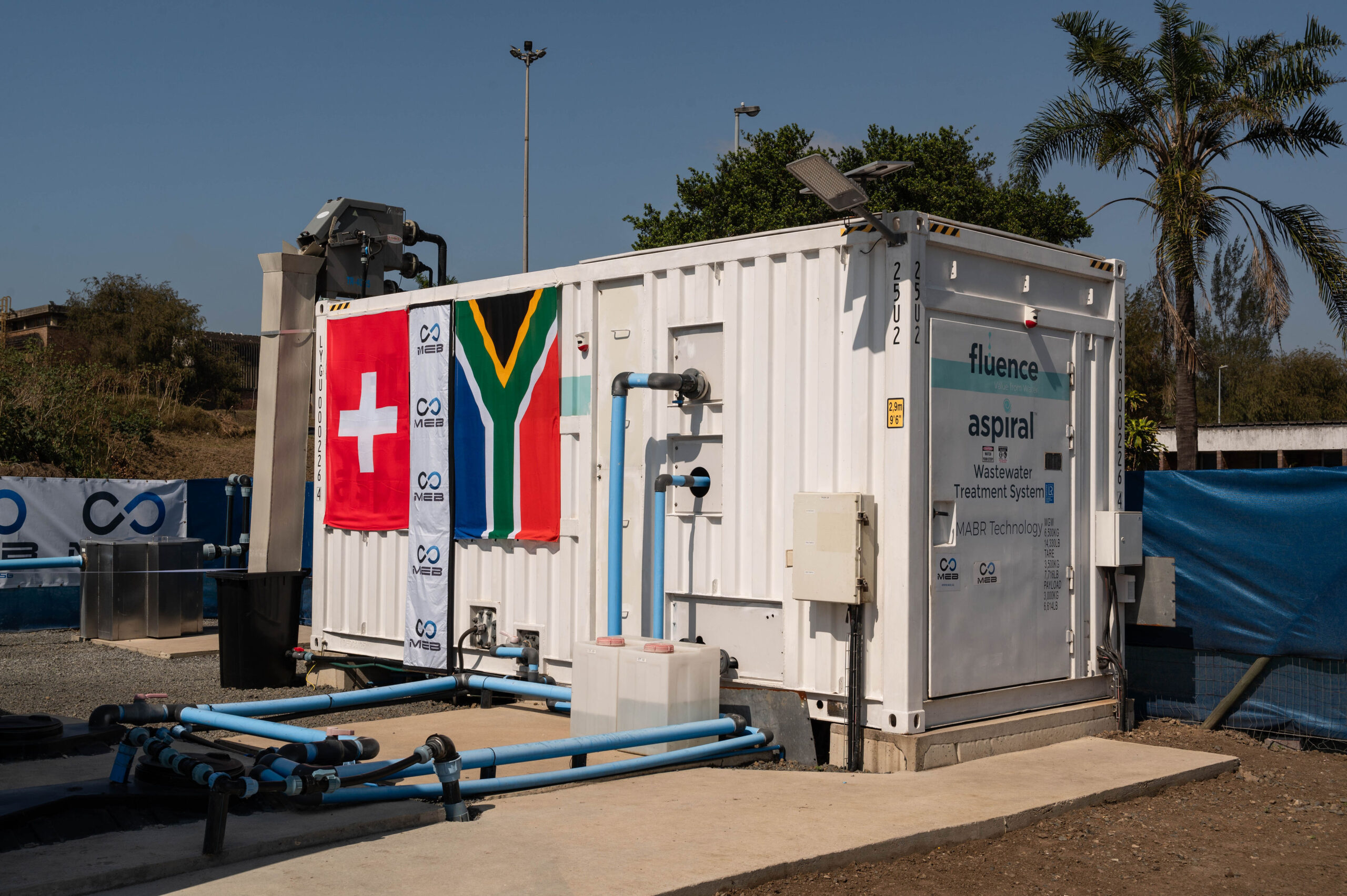
MEB provides solutions that address critical challenges in water management through innovative technology and expert guidance. By offering advanced monitoring systems, MEB enables stakeholders to track water usage, detect leaks, and analyze water quality in real time. Additionally, MEB supports policymakers and local governments with data-driven recommendations to enhance decision-making processes. Through community engagement programs and educational initiatives, at MEB we help raise awareness about sustainable water practices, ensuring that individuals and organizations can contribute to the preservation of this vital resource.