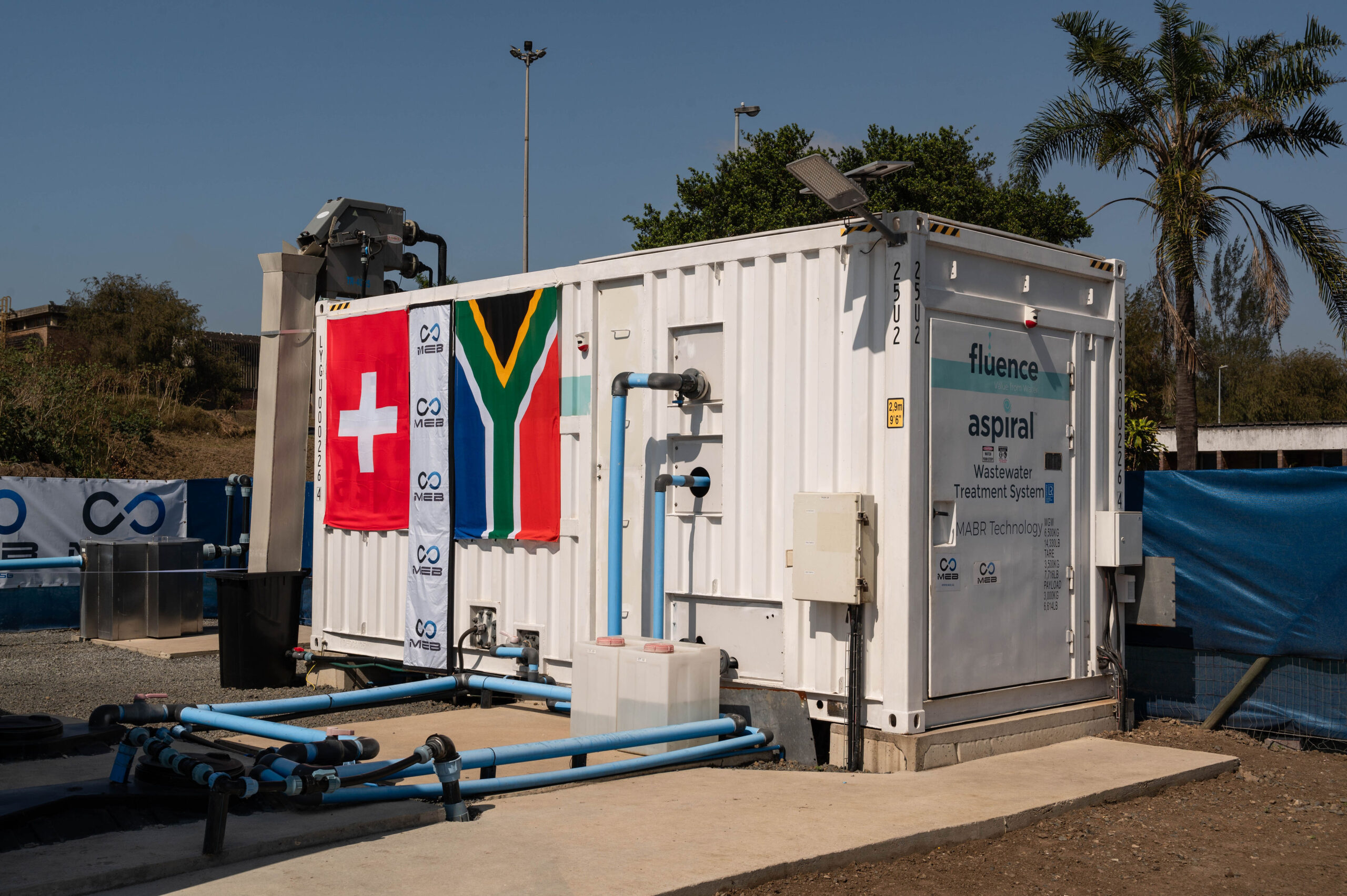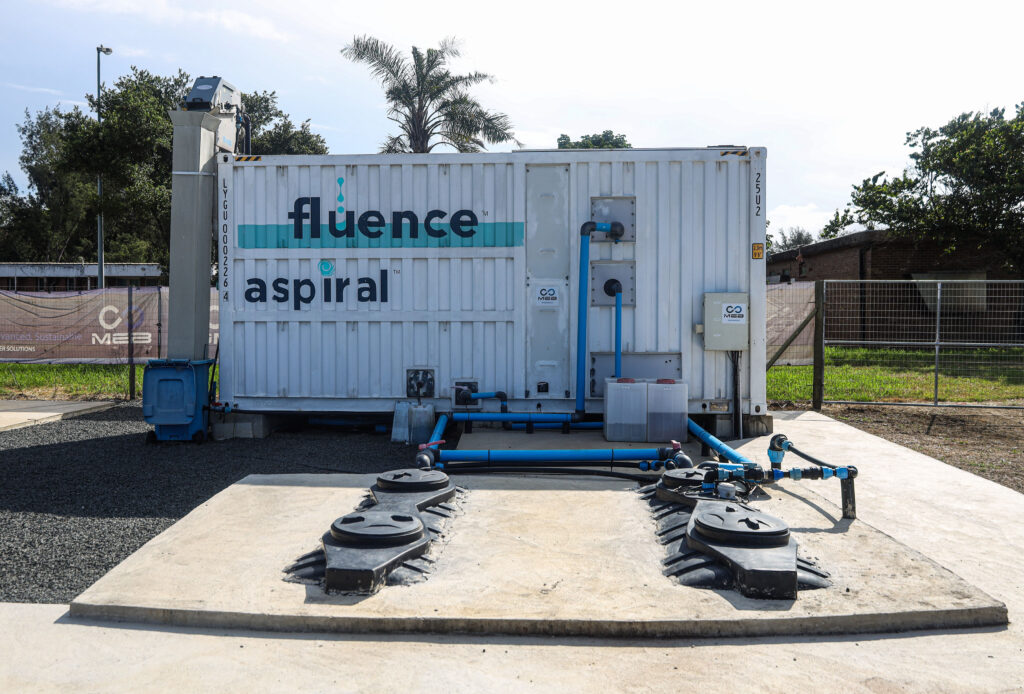
A Membrane Aerated Biofilm Reactor (MABR) is a biological wastewater treatment system that uses gas-permeable membranes to deliver oxygen directly to a biofilm a thin layer of microorganisms that break down organic matter and nutrients in wastewater.
Here’s what sets MABR apart from conventional activated sludge systems: traditional aeration blows air through water using blowers or diffusers, wasting most of the oxygen before microorganisms can use it. MABR delivers oxygen through the membrane wall directly to the biofilm, achieving oxygen transfer efficiencies of up to 100%, compared to roughly 10–15% in conventional systems.
The result? The same level of biological treatment at a fraction of the energy cost.
MABR systems effectively remove:
- Biochemical Oxygen Demand (BOD) – organic matter that depletes oxygen in receiving water bodies
- Ammonia and nitrogen compounds – nutrients that trigger algal blooms
- Suspended solids – particles that cloud effluent and harm aquatic ecosystems
- Phosphorus – when combined with chemical dosing or biological phosphorus removal
Advantages of MABR
MABR offers several advantages over other wastewater treatment technologies:
- Lower energy consumption: MABR requires up to 90% less energy than traditional aeration systems, and significantly less than Membrane Bioreactors (MBRs)
- Small footprint: The compact design of MABR allows for efficient use of limited space
- Scalability: The modular nature of MABR systems allows for easy expansion as needed
- Lower sludge production: The lack of excess oxygen in the process results in reduced sludge output
- Nitrogen Removal: MABR excels at removing nitrogen through simultaneous nitrification and denitrification, reducing harmful nitrates in the treated water.
- Phosphorus Removal: It effectively aids in phosphorus removal, which helps prevent waterway eutrophication.
- Ammonia Reduction: MABR systems are highly efficient at converting ammonia into nitrogen gas, making the effluent safer for discharge.
- Carbon Removal: The technology also supports the breakdown of organic carbon compounds, ensuring cleaner water output.
Fluence Aspiral™ MABR configurations also support simultaneous nitrification and denitrification (SND) within a single reactor — something conventional systems typically require multiple tanks to achieve.
Why Partner With MEB
At MEB, we specialize in advanced wastewater treatment technologies, including MABR, to help organizations reduce energy consumption, lower operational costs, and meet stringent environmental regulations.
Whether you need to improve nutrient removal, optimize system performance, or align your operations with modern sustainability goals, our team delivers tailored solutions that get results. Contact us today to find out how we can support your wastewater treatment needs.