Making every drop count. Securing global water access requires far more than just drilling new wells or building larger dams. It demands a fundamental shift in how we govern our natural resources. Fixing fractured policies, rooting out corruption, and investing in resilient infrastructure will determine our ability to survive in a changing climate.
You can participate in this necessary shift by supporting organizations dedicated to water equity and conservation. Pay attention to local water policies in your own municipality, and vote for leaders who prioritize sustainable infrastructure over short-term political gains. Every community deserves a future where clean, safe water flows freely.
Addressing the global water crisis also requires a shift in individual mindsets and daily habits. Small actions, such as reducing water waste, fixing leaks, and using water-efficient appliances, can collectively make a significant impact. Additionally, educating yourself and others about the true value of water and the challenges facing its distribution can foster greater awareness and urgency. By recognizing water as a finite resource and treating it with care, we can all contribute to a more sustainable and equitable future.
Governments and policymakers also play a crucial role in safeguarding water resources. Implementing and enforcing regulations to prevent pollution of rivers, lakes, and groundwater is essential for ensuring clean and safe water supplies. Investments in modern infrastructure, such as advanced water treatment facilities and efficient distribution systems, can help mitigate water scarcity and support growing populations. Furthermore, global cooperation is needed to address shared water challenges, as many rivers and aquifers cross international boundaries. By combining individual efforts with systemic changes at the community, national, and international levels, we can work toward a future where water is available and accessible for all.
Our Solutions at MEB Water
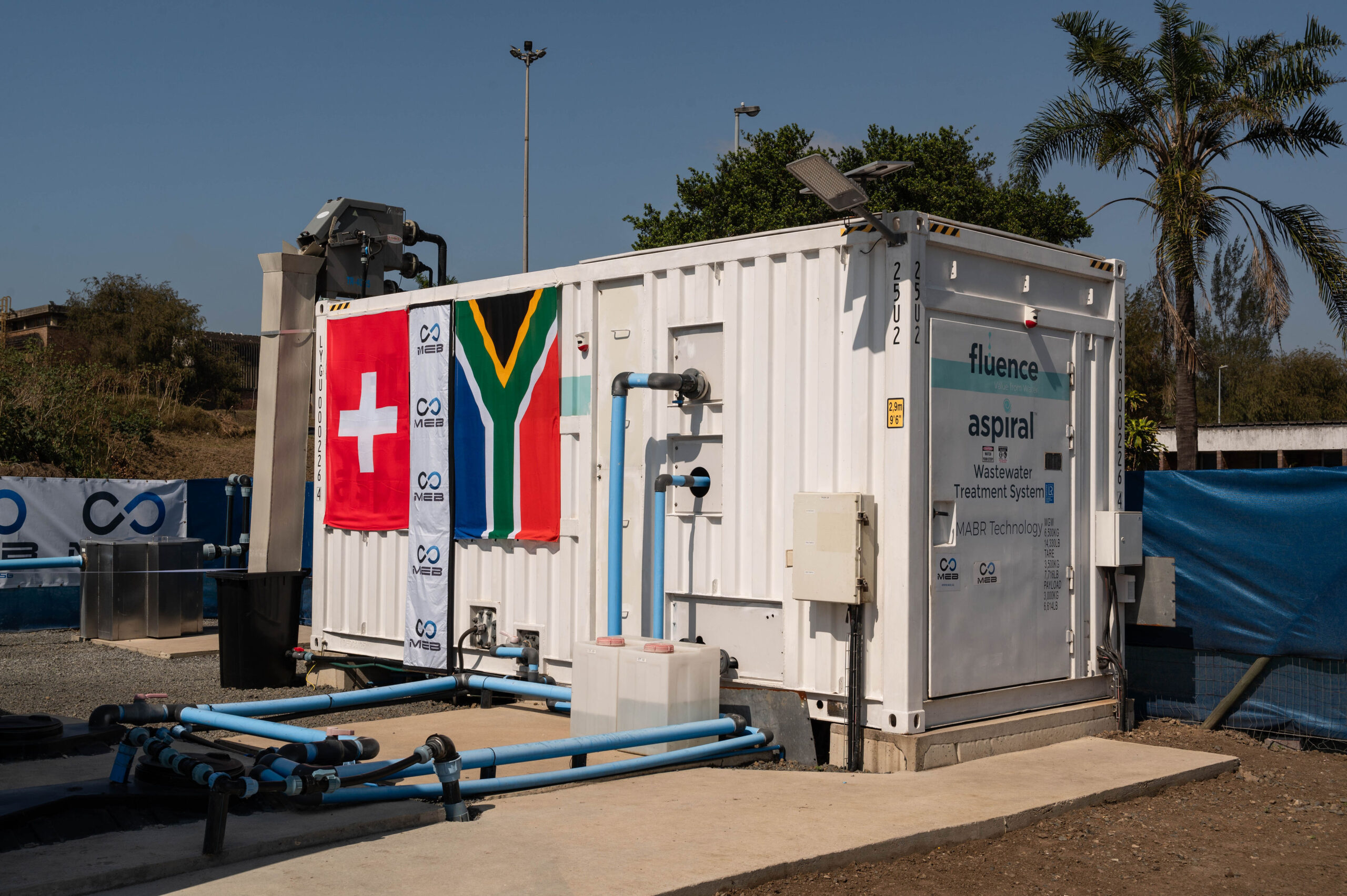
At MEB Energy, we are committed to providing innovative solutions to tackle the global water crisis. Our cutting-edge technologies focus on sustainable water management, including advanced desalination systems, efficient wastewater treatment plants, and smart water monitoring tools. By prioritizing energy-efficient processes and minimizing environmental impact, we aim to improve water accessibility for communities worldwide. Additionally, we work closely with governments, industries, and non-profit organizations to implement customized strategies that address specific water challenges. Together, we can create a more sustainable future where clean water is a guaranteed resource for generations to come.