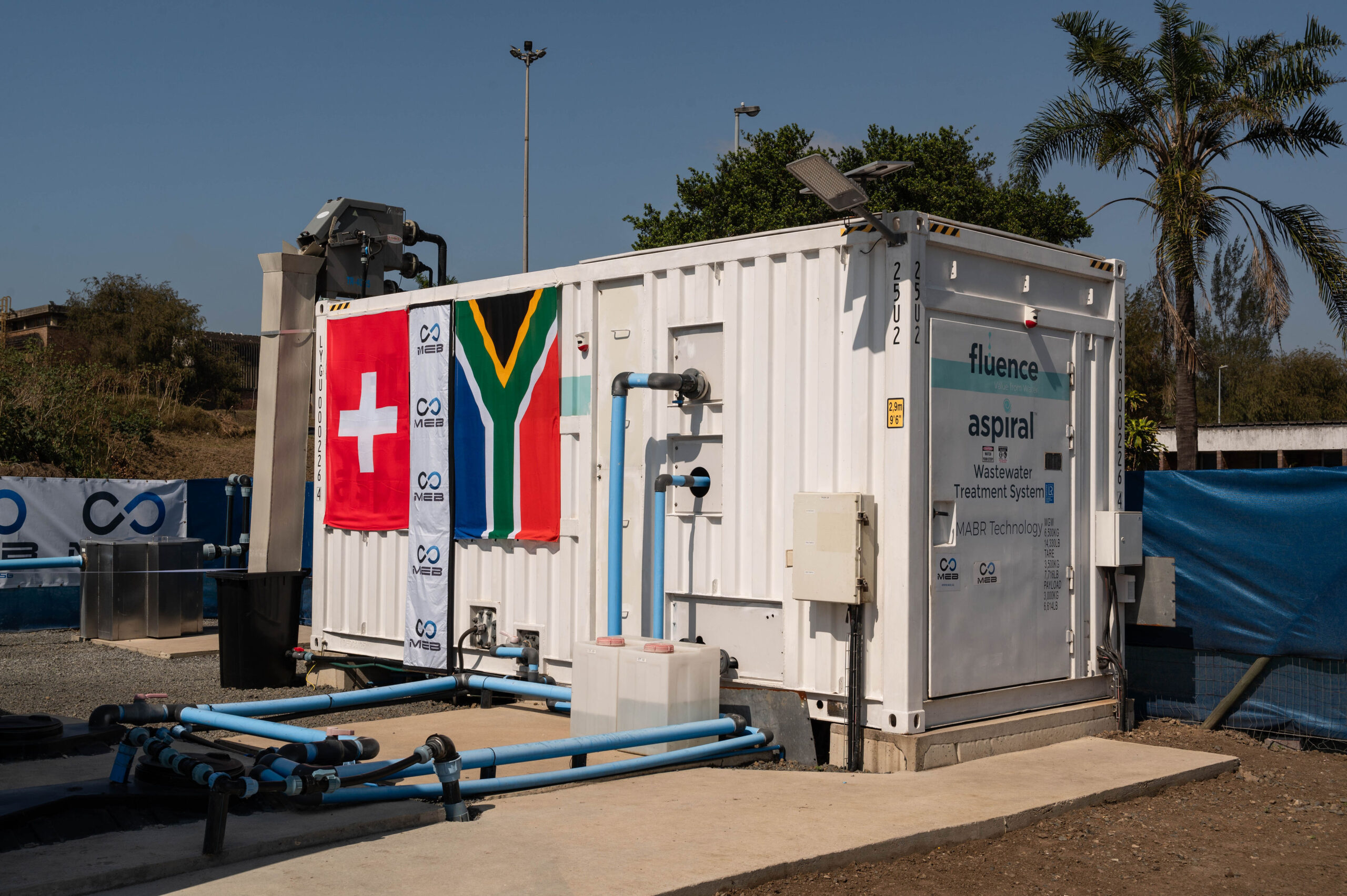
Solar Wind Waste-to-Energy management has become an imperative as we navigate the challenges of climate change and environmental preservation.
As the world’s appetite for power continues to grow, harnessing clean and renewable sources of energy is crucial.
Energy from solar, wind power, and waste-to-energy solutions are three pillars that are reshaping the energy landscape, offering a sustainable and eco-friendly way to meet our energy needs.
Solar energy, derived from the sun’s inexhaustible rays, is one of the most promising sources of clean power. Solar panels, equipped with photovoltaic cells, convert sunlight into electricity, reducing our reliance on fossil fuels and mitigating greenhouse gas emissions.
The installations are versatile and can be deployed on rooftops, in vast solar farms, or even integrated into architectural designs. This adaptability makes solar energy a viable option for both residential and industrial use.
Wind power, another renewable energy source, harnesses the kinetic energy of the wind to generate electricity. Wind turbines, often situated in windy regions or offshore locations, convert wind energy into clean power.
Waste-to-energy technologies offer a sustainable solution to two pressing challenges: waste management and energy generation. These innovative processes convert organic waste materials into electricity or heat. By diverting waste from landfills and incineration, we can reduce environmental pollution while producing valuable energy.
Waste-to-energy plants can process a variety of organic materials, such as food waste, agricultural residues, and even sewage sludge.
Combining solar energy, wind power, and waste-to-energy solutions creates a robust and sustainable energy mix. By diversifying our energy sources, we enhance grid stability and resilience.
During periods of high demand or low renewable energy production, waste-to-energy facilities can provide reliable power, reducing our reliance on fossil fuels.
Sustainable energy management with these three pillars not only helps reduce greenhouse gas emissions but also supports the transition to a low-carbon economy. As the world grapples with the urgent need to combat climate change, investing in and promoting sustainable energy solutions is an essential step towards a greener and more sustainable future for generations to come.
Incorporating solar, wind power, and waste-to-energy solutions into our energy portfolio is a testament to our commitment to environmental stewardship and a sustainable future. These clean and renewable energy sources offer a glimpse into a world where our energy needs are met with minimal harm to our planet, making it an exciting journey towards a more eco-friendly tomorrow.
Speak to one of our team and begin your sustainability journey with us now.