

Please ensure Javascript is enabled for purposes of website accessibility

Wastewater Mining: Nutrient Recovery for Reuse

What do we mean by “wastewater mining”? There are many nutrients available in wastewater, that can be reclaimed to positively impact agricultural and other non-potable uses for everyday business operations.
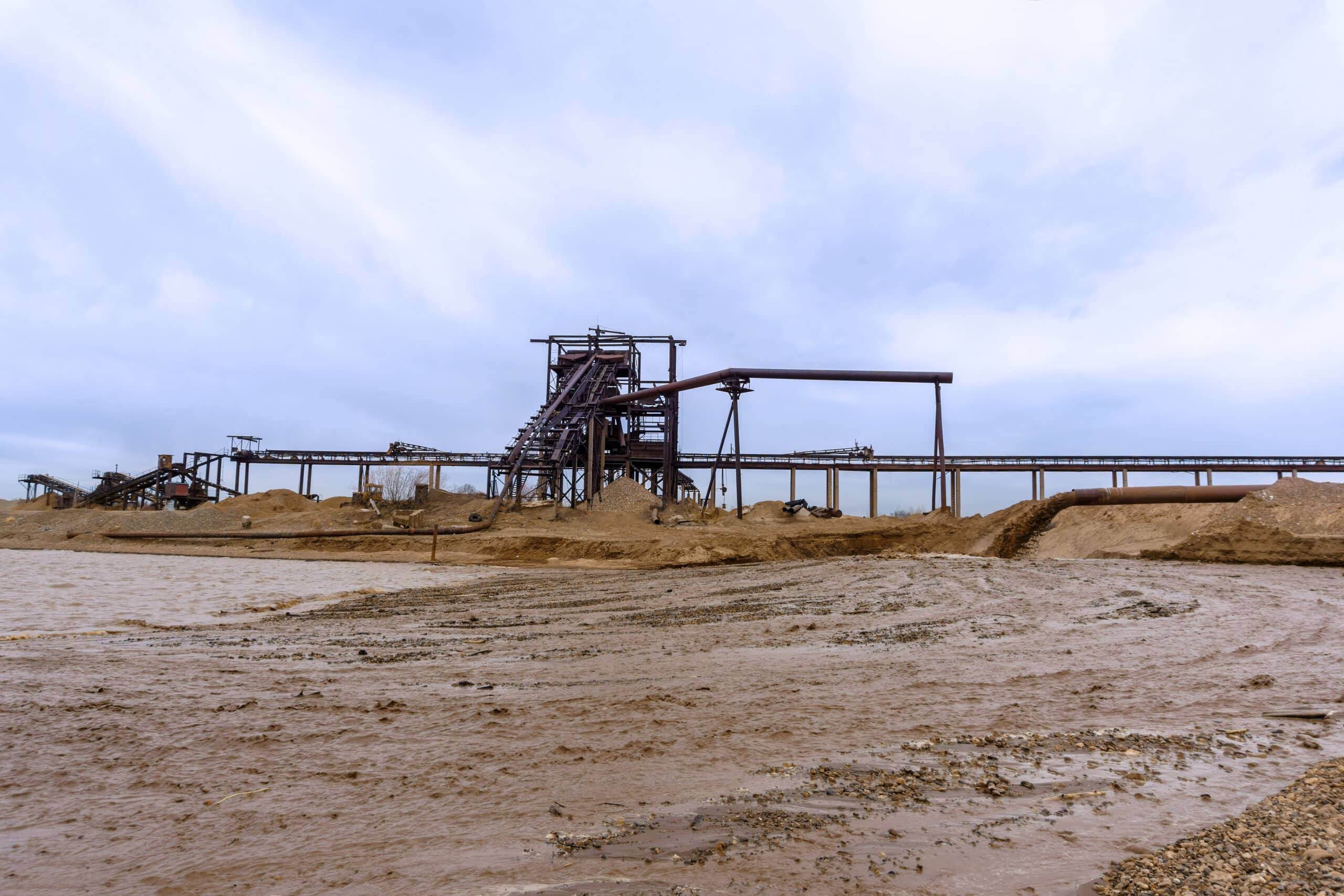
The industrial conveyor system at the mining site operates efficiently, surrounded by piles of sand and soil, under a cloudy sky. This setup is not just about extraction but also incorporates innovative nutrient recovery practices to enhance sustainability.

Table of Contents

What do we mean by “wastewater mining”? There are many nutrients available in wastewater, that can be reclaimed to positively impact agricultural and other non-potable uses for everyday business operations. Sewage is treated at a decentralised location to accommodate a range of local water needs. Organisations need to adapt this strategy to circumvent water insecurity in Southern Africa and the world at large.

MEB has spearheaded many such projects and combines its pioneering decentralised wastewater package plants, that can also be retrofit with a centralised system, to elevate your revenue and reduce your organisations carbon footprint.

Since over 10 years MEB has used its expertise as a tool for improving water management, decreasing transportation costs, reduce OPEX and promoting reuse of water as means to speed up development, as well as empowering the communities it serves with first-class solutions that fit the most difficult situations.

Share:

Case Study

A revolutionary approach to water supply

To cope with a crippling and prolonged drought crisis, MEB installed a containerized desalination plant at Richards Bay, South Africa. The project was completed in just seven months. The containers were easily transported to the designated location.1

More Posts

Related Posts
A black mesh cup holds a variety of sharpened pencils with different colors and patterns on their barrels, set against a black background—a simple scene that quietly contrasts with the often-overlooked Pencil Industry Wastewater Problem impacting our environment.
The Pencil Industry Wastewater Problem

Pencil manufacturing generates wastewater contaminated with wood particles, graphite, clay, dyes, and chemical binders. Without proper treatment, this effluent poses real risks to aquatic ecosystems

Close-up of rusted, corroded metal pipes with rough surfaces and holes, showing decay and weathering.
Aging Infrastructure In South Africa

Municipal capacity gaps, poor governance, and aging systems continue to leave vulnerable communities without reliable access to clean water. Add environmental pressures like pollution, degradation,

A group of black and white cows graze on a green field with a snow-capped mountain and blue sky in the background.
Dairy Farm Wastewater

Dairy farming generates a lot more than milk. Every day, your operation produces thousands of gallons of wastewater from milking parlor washdowns and equipment cleaning