
Please ensure Javascript is enabled for purposes of website accessibility

Inflated Cost of Sludge Handling and Disposal

Complex restrictions on sludge disposal and mounting pressure on the municipal sector to transform and modernize onsite wastewater treatment systems, by increasing access to technological solutions that can simultaneously accommodate these demands.
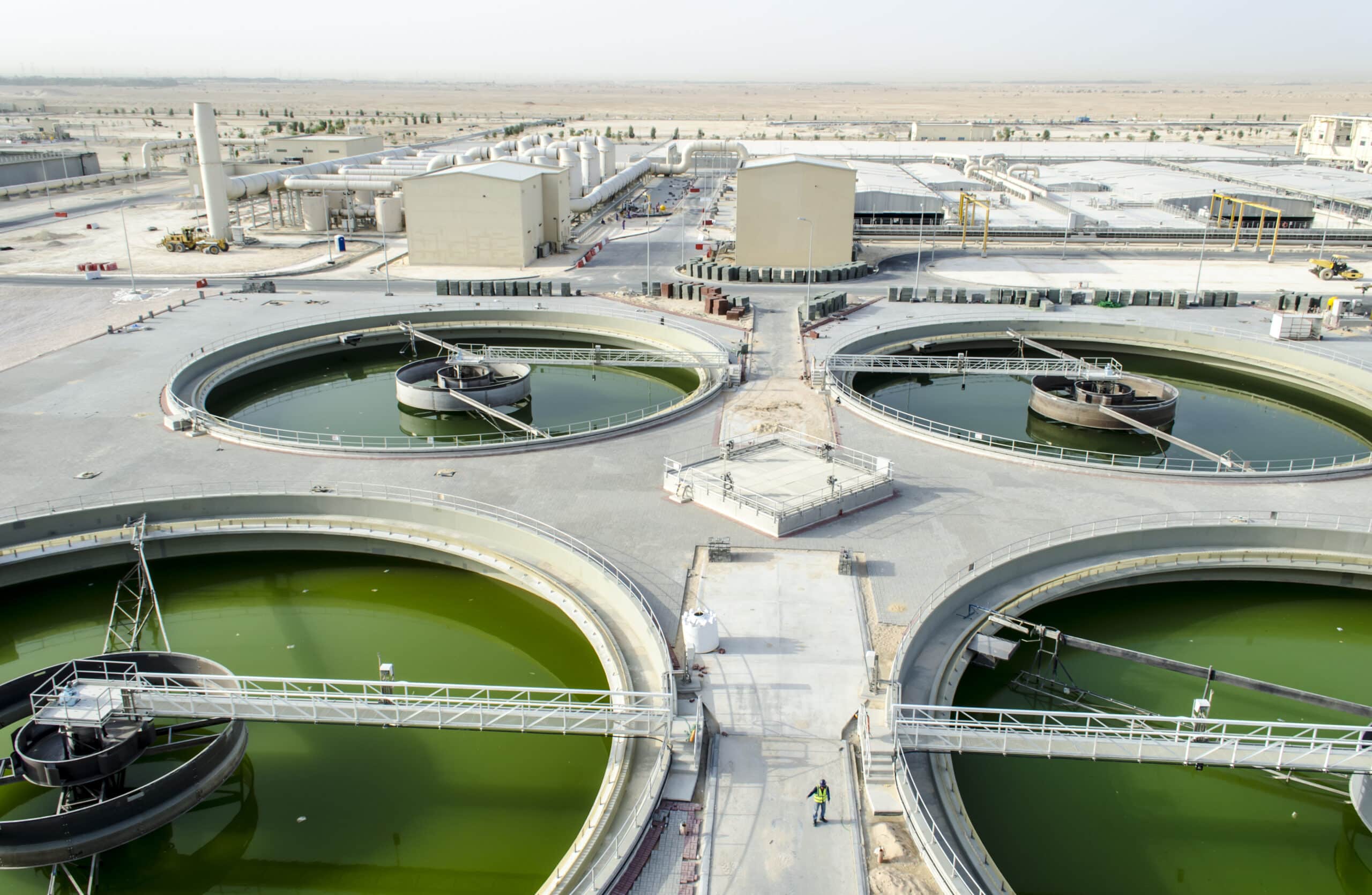
Aerial view of a wastewater treatment plant featuring large circular settling tanks filled with green water, highlighting efficient sludge handling processes. Industrial buildings are visible in the background.

Table of Contents

Complex restrictions on sludge disposal and mounting pressure on the municipal sector to transform and modernize onsite wastewater treatment systems, by increasing access to technological solutions that can simultaneously accommodate these demands. First approach is to adapt to a system that reduces your solids output, making nitrification robustness essential.

The South African municipal wastewater sector knows that dealing with sludge represents a bulk of the allocated daily OPEX with costs ranging anywhere from 40 to 60% of total plant maintenance costs, depending on the size of the plant and feed wastewater quality. The MABR is a biofilm-based solution that assists utilities with augmenting their existing wastewater infrastructure, by increasing overall efficiency of the plant.

Customary ways of disposal, such as sending the sludge to a landfill or reusing it as fertilizer in agricultural applications, are no longer feasible. Hiked up transport costs, while landfills charge higher fees or, due to tighter regulations, refuse organic material altogether. While generations of farmers have relied on nutrient rich sludge as an inexpensive (or in some cases, free) method of replenishing their cropland, health regulators from Europe to America are increasingly concerned about the potential negative health impacts of contaminant uptake in the food supply chain.

Features and Benefits:

  • 90% less aeration energy, 80% less energy.
  • 30%-50% reduction in the amount of excess sludge compared to its industry peers.
  • Simultaneous nitrification and denitrification.
  • Minimal footprint.
  • Modular design enables on-site, distributed treatment and also gradual implementation and expansion in the future.
  • Odorless.

The revolutionary MABR technology comes in two adaptable configurations. The Aspiral™ a plug-and play packaged wastewater treatment solution and the SUBRE™ for greenfield projects or capacity upgrades and increased efficiency on existing systems.

Share:

Case Study

A revolutionary approach to water supply

To cope with a crippling and prolonged drought crisis, MEB installed a containerized desalination plant at Richards Bay, South Africa. The project was completed in just seven months. The containers were easily transported to the designated location.1

More Posts

Related Posts
A white industrial container labeled "Fluence Aspiral" with pipes, ladders, and safety signs stands outdoors on a concrete base under a cloudy sky, Securing Our Most Vital Resource for the future.
Sustainable wastewater management

As populations expand and industrial development accelerates, the demand for clean water continues to climb. Efficient wastewater treatment is no longer just an environmental goal-it

A close-up illustration of water with bubbles rising to the surface against a white background.
Modern wastewater treatment

Facilities encounter multiple roadblocks when processing wastewater. Influent water often contains varying levels of heavy metals, organic compounds, and suspended solids. Treating these diverse contaminants

A portable wastewater treatment system labeled "Aspiral" by Fluence, showcasing how MABR transforms water treatment, is installed beside a concrete walkway under a cloudy sky.
How MABR technology changes the game

Most wastewater plants waste energy fighting physics. MABR works with it. Traditional aeration blows bubbles through water a brute-force approach that squanders up to 90%