
Wastewater treatment is a crucial component of environmental sustainability and public health. Unlocking Wastewater Innovation Implementing MABR in South Africa, the importance of efficient and cost-effective wastewater treatment solutions cannot be overstated. Many wastewater treatment plants are operating beyond their design capacity, resulting in suboptimal treatment and the discharge of partially treated or untreated wastewater into rivers and oceans. This has severe environmental implications, as well as risks to public health. Additionally, the country faces water scarcity issues, making the efficient use and reusing of wastewater critical.
One innovative solution that holds promise for South Africa’s wastewater treatment needs is the Membrane Aerated Biofilm Reactor (MABR).
As a result, MABR technology presents a game-changing solution for South Africa’s wastewater treatment challenges. Unlike conventional activated sludge systems, MABR operates with a biofilm of microorganisms that grow on gas-permeable membranes. This innovative design allows for simultaneous nitrification and denitrification, reducing the need for separate treatment steps and saving energy.
One of the primary advantages of MABR is its energy efficiency. It consumes significantly less energy compared to traditional aeration systems, making it a cost-effective and environmentally friendly choice. In a country where energy costs are a significant concern, this is a critical feature.
Retrofitting Existing Infrastructure
One of the standout features of MABR is its adaptability to existing wastewater treatment plants. The technology can be retrofitted into the infrastructure, providing a seamless upgrade that enhances treatment efficiency and capacity. This means that South Africa can improve its wastewater treatment processes without the need for extensive and costly overhauls of existing facilities.
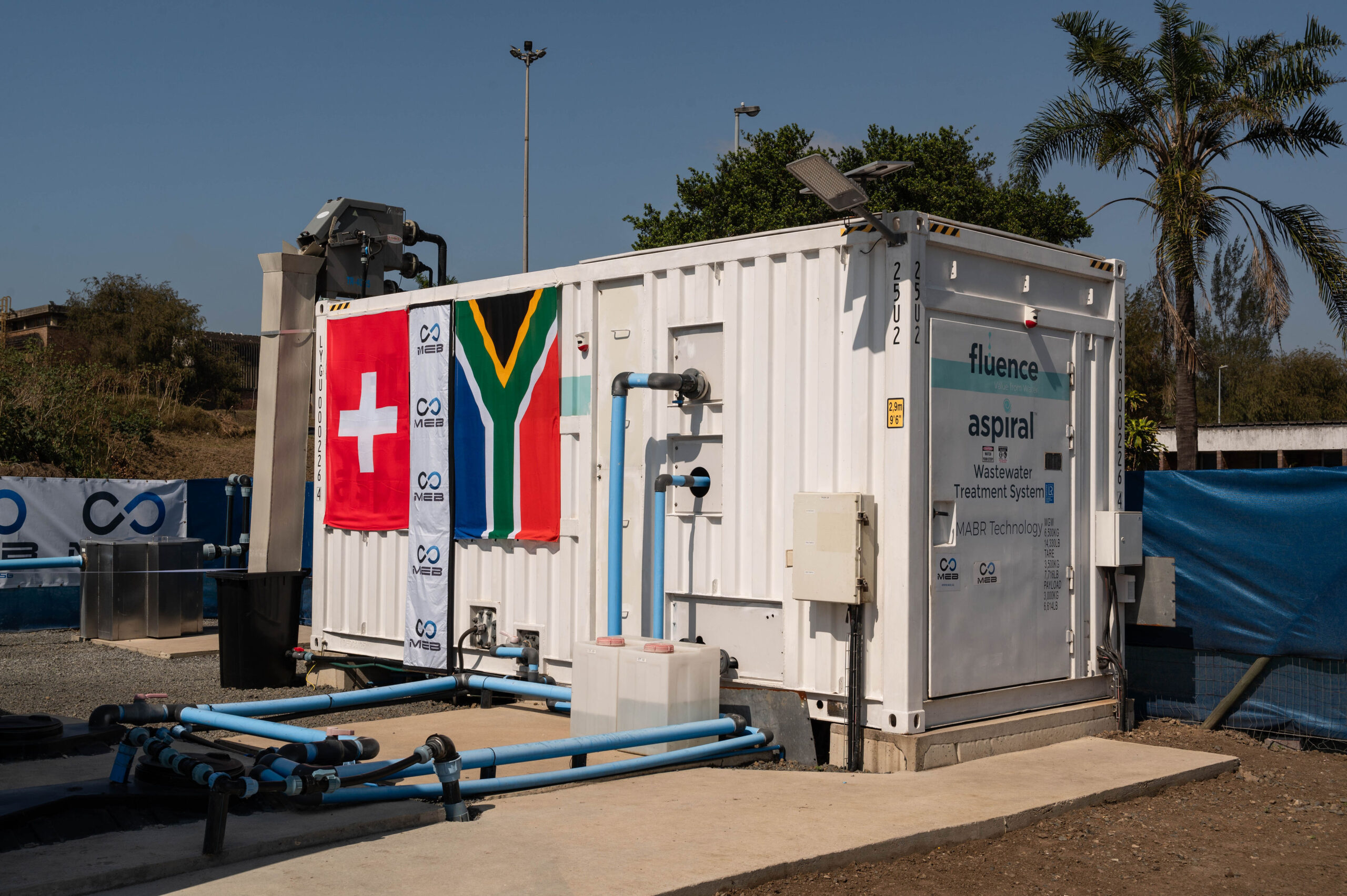
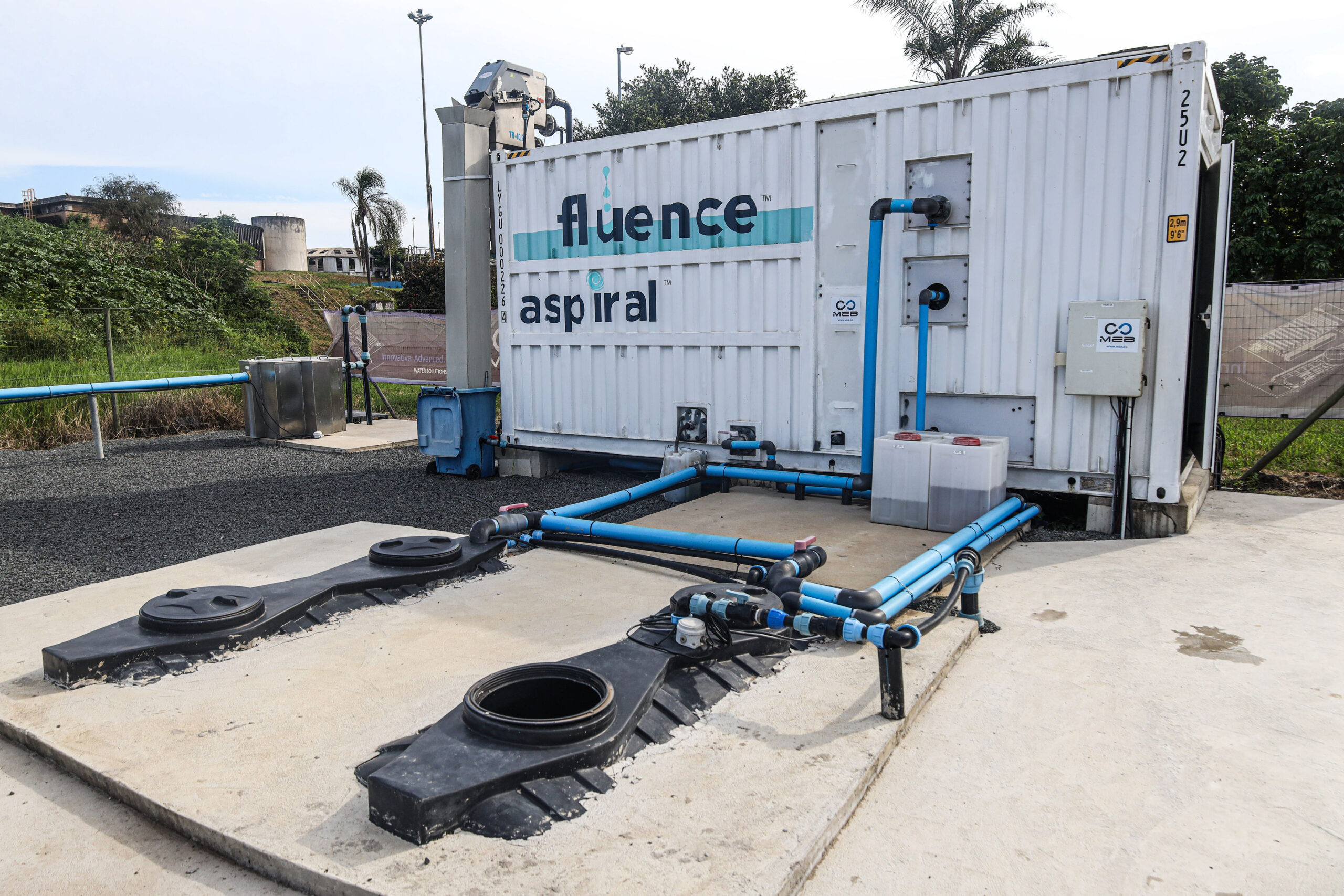
SUBRE MABR’s solution, offers a seamless retrofit option for existing wastewater treatment plants. This means that we can swiftly modernize and optimize facilities that are already in place, as a result ensuring a sustainable and eco-conscious approach to wastewater treatment. With retrofit capabilities spanning a range of 2,000 to 100,000 m3/day, process air outlets, and easy installation in an existing anoxic basin, the MABR solution stands out as an adaptable and efficient choice. Moreover, it conveniently utilizes the existing aeration system while effectively eliminating internal nitrates.
Scalability and Flexibility
MABR is highly scalable, making it suitable for both smaller rural wastewater treatment plants and larger municipal facilities. This adaptability is crucial in a country where a range of treatment plant sizes are needed to address diverse wastewater challenges, from densely populated urban areas to remote rural communities.
However, successful implementation will require collaboration between government agencies, municipalities, and technology providers, like MEB Energy. It’s crucial to ensure proper training and capacity building to operate and maintain MABR systems effectively.
At MEB, we boast a wealth of experience in executing complex projects within the wastewater sector. Don’t hesitate to reach out to our dedicated staff today for insights and consultations.